
5 Incredible Birds from
the Colombian Andes
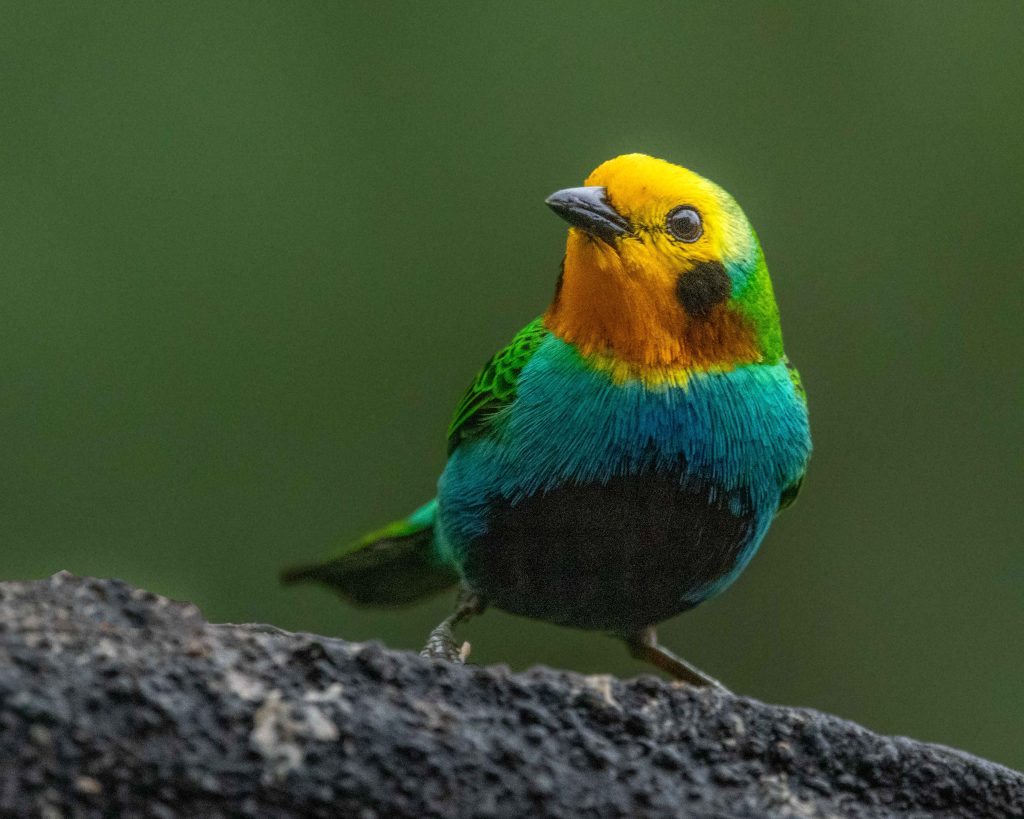
Multicolored Tanager
As birdwatchers explore the lower elevations of the Andes, the vibrant hues of the Multi-Colored Tanager add a splash of color to the experience. This small, colorful bird is a testament to the region’s biodiversity, with its dazzling mix of red, yellow, blue, and green plumage. Found in subtropical and lower montane forests, the Multi-Colored Tanager is a Colombian endemic found only in the Western and Central Andes of Colombia. This uncommon gem can be challenging to see in the forest, but pairs are regular at feeders in the Western and Central Andes.
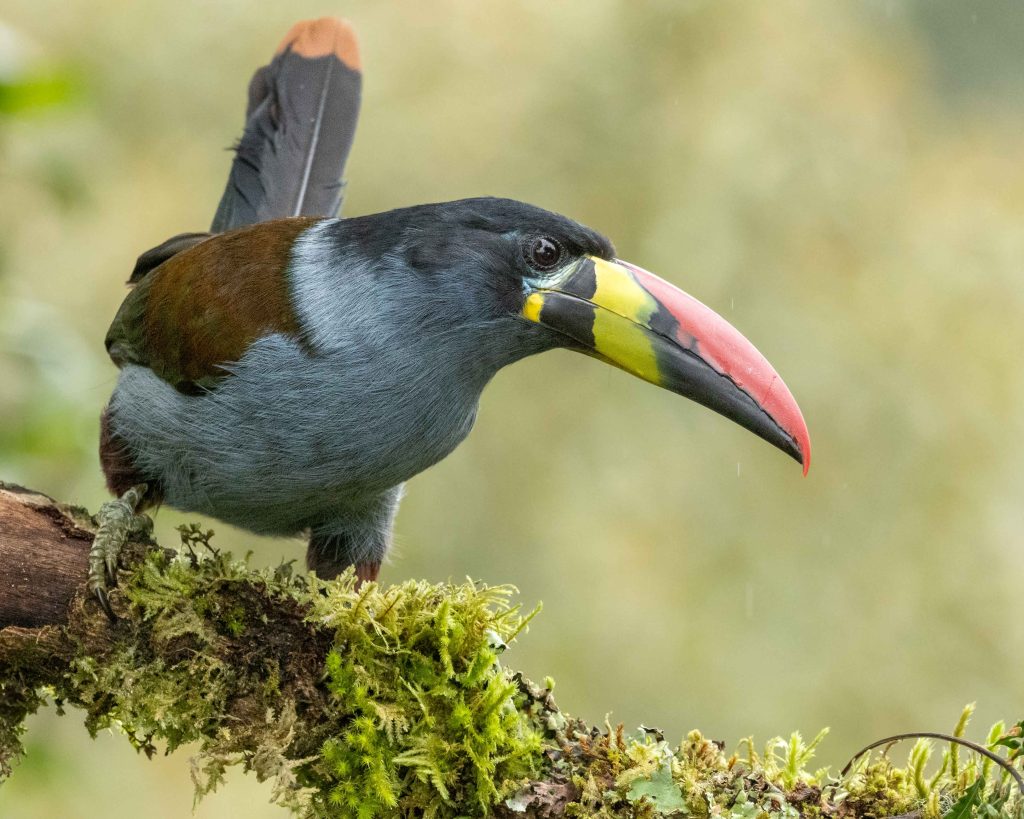
Gray-breasted Mountain Toucan
Exploring the high Andean cloud forests, birdwatchers may encounter the enchanting Gray-Breasted Mountain Toucan. This charismatic species, adorned with a striking combination of black, yellow, red, and gray plumage, is an emblematic resident of the Andean cloud forests. These large omnivores move through the forest in bands roaming for fruit, insects, small mammals, bird eggs and reptiles and amphibians.
In recent years a birding lodge called Hacienda El Bosque figured out what type of fruit attract them to come down low from their high mossy perches, and it turns out after a lot of trial and error – they love grapes! Observing these toucans amidst the misty cloud forests has become a whole lot easier, thanks to their persistent work and patience!

Buffy Helmetcrest
Among the avian treasures inhabiting the Andes, the Buffy Helmetcrest stands out with its distinctive features. This striking hummingbird, found in high-altitude paramo ecosystems, boasts a unique helmet-like crest on its head. Its physiology is adapted to the challenges of high-altitude living, with specialized respiratory and circulatory systems allowing it to thrive in the thin air. Observing the Buffy Helmetcrest in flight, as it hovers among the vibrant wildflowers, is a mesmerizing experience for birdwatchers exploring the heights of the Western and Central Andes.
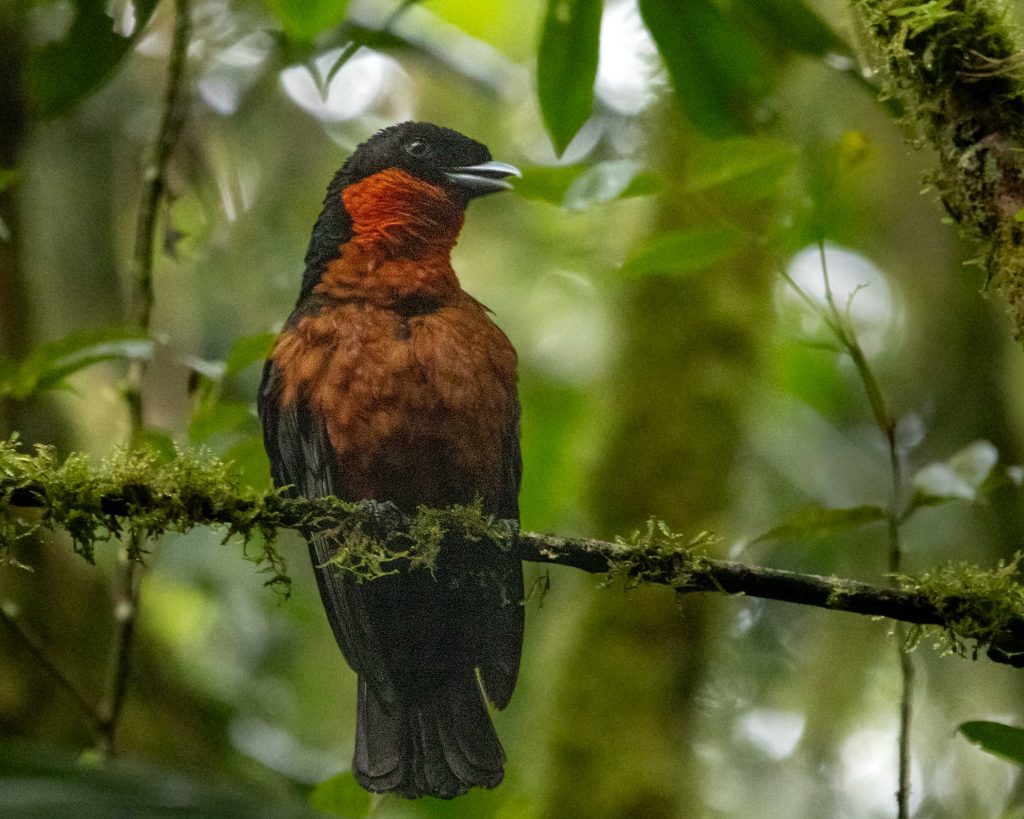
Red-ruffed Fruitcrow
The Red-ruffed Fruitcrow (Pyroderus scutatus) belongs to the family Cotingidae, commonly known as the cotingas. Within this family, the Red-ruffed Fruitcrow stands out with its vibrant red plumage and distinctive appearance.
As a member of the Cotingidae family, the Red-ruffed Fruitcrow is primarily frugivorous, meaning it primarily feeds on fruits. Its specialized bill is adapted for grasping and manipulating a variety of fruits in the dense rainforest canopy. While fruits constitute the mainstay of its diet, these birds may also consume insects and small arthropods, especially during the breeding season when the need for protein may increase. The Red-ruffed Fruitcrow’s feeding habits play a crucial role in the ecological balance of the tropical rainforest, as they contribute to the dispersal of seeds, aiding in the regeneration of plant species throughout their habitat.
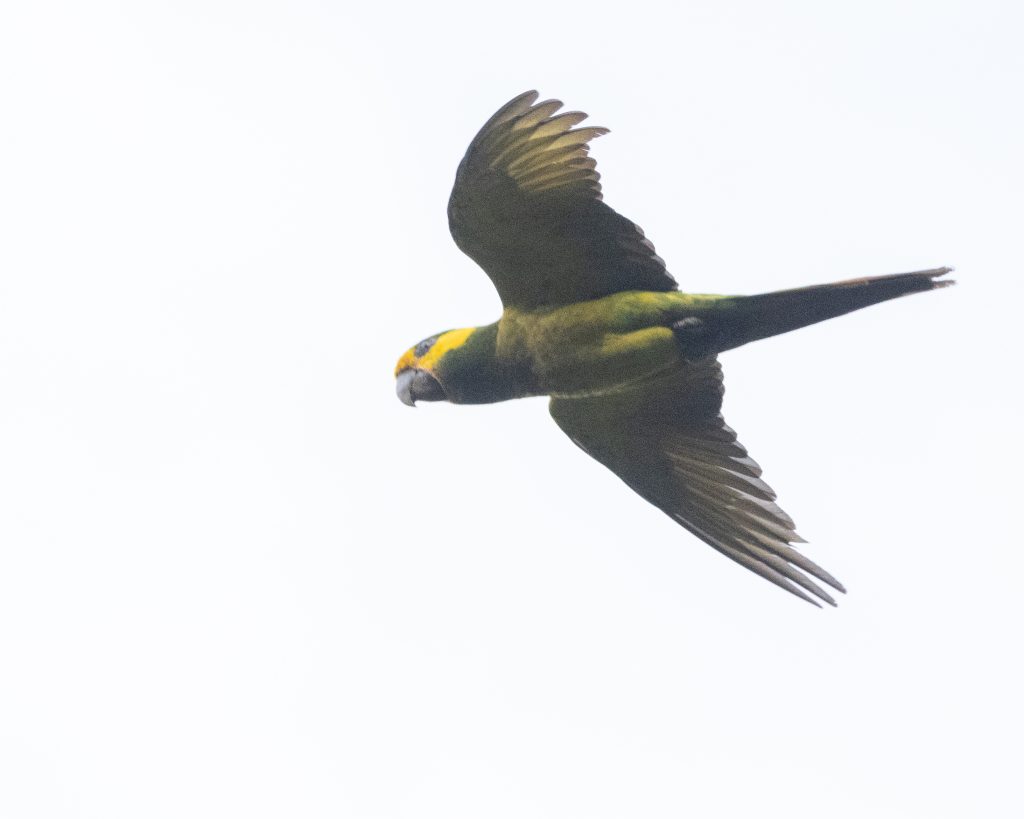
Yellow-eared Parrot
Yellow-eared Parrot (Ognorhynchus icterotis) is a distinctive and endangered parrot species native to the cloud forests of the Central Andes in Colombia. It belongs to the Psittacidae family, which includes parrots and parakeets.
Behavior: The Yellow-eared Parrot is characterized by its striking appearance, featuring vibrant green plumage with distinctive yellow ear patches. These parrots are social birds, often observed in flocks that engage in complex vocalizations and interactions. They primarily feed on a diet of fruits, seeds, and flowers found in the montane cloud forests where they reside. Their foraging behavior plays a crucial role in seed dispersal, contributing to the regeneration of the forest ecosystem.
Breeding behavior is a noteworthy aspect of the Yellow-eared Parrot’s life cycle. They nest in tree cavities, and their breeding season is influenced by the availability of food resources. Conservation efforts often focus on protecting and providing suitable nesting sites for these parrots.
Conservation History:
The Yellow-eared Parrot has faced significant threats to its population, primarily due to habitat loss and fragmentation caused by deforestation, logging, and agricultural expansion. Additionally, historical capture for the pet trade has contributed to the decline of this species.
Conservation initiatives have been implemented to address these challenges. Efforts include the establishment of protected areas, reforestation projects to restore and connect fragmented habitats, and community engagement to promote sustainable practices. Conservationists have also worked on monitoring and researching the parrot’s behavior, ecology, and population dynamics to inform effective conservation strategies.
The establishment of the Yellow-eared Parrot Conservation Program has been instrumental in bringing together governmental, non-governmental, and local community efforts to protect this endangered species. The collaboration aims to ensure the long-term survival of the Yellow-eared Parrot and its habitat.
Despite these conservation efforts, the Yellow-eared Parrot remains endangered, underscoring the ongoing challenges in preserving the unique biodiversity of Colombia’s cloud forests. Continued commitment to habitat protection, sustainable land use practices, and community involvement are vital for the conservation of this iconic and threatened parrot species.
Colombia's Andes Mountains

The Andes Mountains in Colombia exhibit a fascinating geological feature as they traverse the country. Above the Colombian Massif, the Andes split into three distinct ridges, Western, Central, and Eastern. The distinct ridges or cordilleras are home to many endemic and unique species, and to maximize your birding endeavor in the Andes Mountains one must visit the great variety of ecosystems found here including Paramo, Cloud Forest, Montane Forest, Subtropical Forest, Dry Forests, and wetlands.
Home to over 1,900 bird species, Colombia boasts the highest avian diversity in the world, making the Andes an unparalleled destination for birders seeking to witness the vibrant and unique birdlife that flourishes in this stunning terrain.
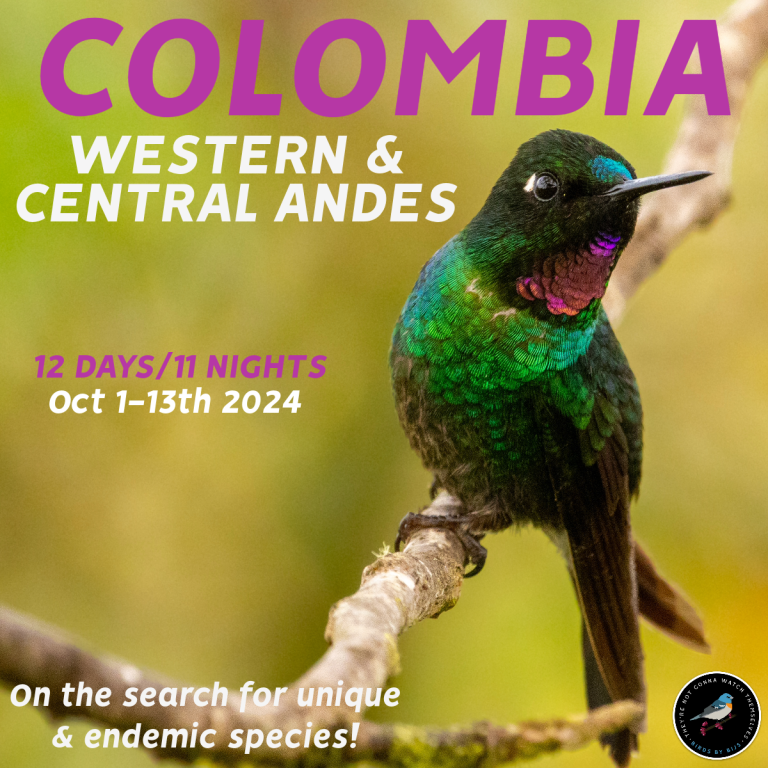
To experience Colombia’s incredible avian diversity, join me October 1-13 2024 for an incredible 12-day tour exploring the best birding in the Western and Central Andes!
Click the image below to check out the tour!