Skip to content
  • GUIDED BIRDING OUTINGS
  • INTL TOURS
    • TOURS HOMEPAGE & INFO
    • COSTA RICA: Northern Caribbean Birding Tour
    • COSTA RICA: Central Sur Birding Tour
    • COSTA RICA: Birding & Photo Tour
    • PERU: Northern Andes Birding Tour
    • DOMINICAN REPUBLIC: Endemics & Caribbean Coast
    • ECUADOR: NW Andes + E. Foothills Birding Tour
    • ECUADOR: Amazon Birding Adventure
    • TRINIDAD & TOBAGO: Birding & Photography
    • COLOMBIA: Santa Marta Endemics Birding Tour
    • COLOMBIA: Western & Central Andes Birding Tour
    • BRAZIL: SE Atlantic Forest Tour
    • BRAZIL: Pantanal & Porto Jofre Birding Tour
    • JAMAICA: Endemics Birding Tour
    • Policies
      • REFUND, RETURNS AND CANCELLATION POLICY
      • ASSUMPTION OF RISK, WAIVER AND RELEASE
      • Terms and Conditions
      • Privacy Policy
  • BOOK A TOUR
    • Book / Contact
    • Speaking Engagements & Birding Festivals
    • PARTNERSHIPS AND COLLABORATIONS
  • SHOP
  • ABOUT
    • About BIJS
    • NEWS/BLOG
  • GALLERY
  • Cart
  • GUIDED BIRDING OUTINGS
  • INTL TOURS
    • TOURS HOMEPAGE & INFO
    • COSTA RICA: Northern Caribbean Birding Tour
    • COSTA RICA: Central Sur Birding Tour
    • COSTA RICA: Birding & Photo Tour
    • PERU: Northern Andes Birding Tour
    • DOMINICAN REPUBLIC: Endemics & Caribbean Coast
    • ECUADOR: NW Andes + E. Foothills Birding Tour
    • ECUADOR: Amazon Birding Adventure
    • TRINIDAD & TOBAGO: Birding & Photography
    • COLOMBIA: Santa Marta Endemics Birding Tour
    • COLOMBIA: Western & Central Andes Birding Tour
    • BRAZIL: SE Atlantic Forest Tour
    • BRAZIL: Pantanal & Porto Jofre Birding Tour
    • JAMAICA: Endemics Birding Tour
    • Policies
      • REFUND, RETURNS AND CANCELLATION POLICY
      • ASSUMPTION OF RISK, WAIVER AND RELEASE
      • Terms and Conditions
      • Privacy Policy
  • BOOK A TOUR
    • Book / Contact
    • Speaking Engagements & Birding Festivals
    • PARTNERSHIPS AND COLLABORATIONS
  • SHOP
  • ABOUT
    • About BIJS
    • NEWS/BLOG
  • GALLERY
  • Cart

Birding Blog & News

BLOG

Trip Report: Colombia – Western & Central Andes – 2025

Read More »
BLOG

Trip Report: Colombia – Santa Marta & Caribbean 2025

Read More »
  • ASSUMPTION OF RISK, WAIVER AND RELEASE
  • REFUND, RETURNS AND CANCELLATION POLICY
  • TERMS AND CONDITIONS
  • PRIVACY POLICY
  • RESPONSIBILITY STATEMENT

Join the Birding Movement

Facebook Youtube Instagram Twitter

Subscribe To Our Newsletter

* indicates required
I want more info on
What's your birding experience?

INSTAGRAM

birdsbybijs

Benny Isaac Jacobs-Schwartz (BIJS)
🌎 International & California Birding Tours
🦜 Expert Guides
🗺️ Top Notch Itineraries
😁 Big fun
📍Los Angeles, CA

Looks made up, found only in Brazil: meet the Fril Looks made up, found only in Brazil: meet the Frilled Coquette, a 2.7-gram hummingbird with a rufous crest and spectacular cheek fans. 

It drinks nectar, catches tiny arthropods, and even decorates its nest with lichens. 

Come bird Brazil with us in 2027—space is limited, so DM “BRAZIL” for tour details.

•_•_•_•_•_•_•_•_•_•_•_•
•
www.birdsbybijs.com
•
BIRDS ↟ TOURS ↟ THREADS

#birdsbybijs #brazil #explore #fyp #frilledcoquette
*ESP EN COMENTARIOS* Circling back to my Bolivia *ESP EN COMENTARIOS*

Circling back to my Bolivia scouting trip with one seriously handsome lifer: the White-fronted Woodpecker! 😍

I photographed this little stunner at the Red-fronted Macaw Reserve, where Bolivia’s dry forest and towering cacti create habitat for a wonderfully unusual cast of birds. Unlike many woodpeckers, this species is strongly associated with large, tree-like cacti—often using them as nesting sites—and regularly travels in close-knit groups of three to five. That social behavior may even point to cooperative breeding, with additional birds helping at the nest, though much of its breeding biology remains a mystery.

And that golden-yellow throat? A particularly striking feature of birds found in Bolivia and western Argentina. What an absolute looker—and an unforgettable lifer from an incredible scouting adventure! 🇧🇴

We’ll be here Oct 2028, REPLY BOLIVIA for info!

•_•_•_•_•_•_•_•_•_•_•_•
•
www.birdsbybijs.com
•
BIRDS ↟ TOURS ↟ THREADS
LIFER: Steller’s Sea-Eagle 🦅 This isn’t just a St LIFER: Steller’s Sea-Eagle 🦅

This isn’t just a Steller’s Sea-Eagle—it’s the Steller’s Sea-Eagle.

Native to the Russian Far East, this individual somehow went spectacularly off-script. First documented in Alaska in 2020, it later appeared thousands of miles away in Texas, then crossed the continent through eastern Canada, Massachusetts and Maine, before eventually making its way to Newfoundland. Distinctive plumage patterns have allowed birders to track the same individual through much of this extraordinary journey. 

And instead of continuing to wander, this giant Asian sea-eagle seems to have decided Newfoundland isn’t such a bad place to live—it has been hanging around the island long-term, with recent reports placing it around Trinity Bay/Whiteway in 2026. 

After following this bird’s ridiculous transcontinental story for years, getting to see it myself today in Newfoundland was pretty damn special.

One bird. Thousands upon thousands of miles. One hell of a lifer.
September updates 😎☀️ September updates 😎☀️
Despite the heat we observed 53 species, and had l Despite the heat we observed 53 species, and had lots of fun, and sweat along the way!

•_•_•_•_•_•_•_•_•_•_•_•
•
www.birdsbybijs.com
•
BIRDS ↟ TOURS ↟ THREADS
🚨 LAST-MINUTE PANAMA OPENING! 🇵🇦🦅 Want to join th 🚨 LAST-MINUTE PANAMA OPENING! 🇵🇦🦅

Want to join the BIRDS by BIJS Panama team this December?

December 9–15, 2026 we’re heading into Panama for an epic week of tropical birding, including the legendary Darién and a serious shot at one of the most spectacular raptors on Earth — the Harpy Eagle!

🌴 World-class tropical birding
🦅 Harpy Eagle expedition
🦜 Incredible Darién specialties
📸 Amazing photography opportunities
🔥 One last-minute spot available!

If Panama has been on your birding bucket list, this is your chance.

DM “PANAMA” for trip details and pricing — and come bird Panama with us! 🇵🇦

•_•_•_•_•_•_•_•_•_•_•_•
•
www.birdsbybijs.com
•
BIRDS ↟ TOURS ↟ THREADS
September is normally one of Southern California’s September is normally one of Southern California’s driest times of year. But right now, Hurricane Marie is spinning hundreds of miles offshore in the eastern Pacific — and sending a huge plume of tropical moisture north toward California. 🌀

The hurricane itself isn’t hitting Los Angeles. Instead, its circulation is acting like a giant atmospheric conveyor belt, transporting warm, moisture-loaded air out of the tropics and into Southern California.

💧 And there is a LOT of water in this air.

Atmospheric moisture over the region has approached 2 inches of “precipitable water” — basically, the amount of rain you’d get if you could squeeze all the water vapor out of a column of atmosphere above you.

That’s exceptionally juicy air for Southern California.

Combine that tropical moisture with an unusually favorable atmospheric setup overhead and suddenly you have organized rain, heavy showers, thunderstorms and even flash-flood potential during a month when LA normally gets almost no rain.

🌊 Marie is also sending energy our way through the ocean, producing large southerly swells, dangerous surf and strong rip currents along parts of the Southern California coast.

And then comes the most LA part:

☀️ The storm leaves…and temperatures shoot right back into the 90s.

Tropical moisture occasionally reaches Southern California, especially during late summer. But getting this combination of an offshore hurricane + extremely deep tropical moisture + widespread September rain is legitimately unusual.

Sometimes you don’t need a hurricane to make landfall to feel its effects hundreds of miles away.

The atmosphere is connected — and today Los Angeles is getting a little taste of the tropics. 🌀🌴

What rare birds do you think will pop up??

•_•_•_•_•_•_•_•_•_•_•_•
•
www.birdsbybijs.com
•
BIRDS ↟ TOURS ↟ THREADS

#hurricanemarie #losangeles #birdsbybijs #weather
Bolivia’s Red-fronted Macaw. 🇧🇴🦜 Endemic to Boliv Bolivia’s Red-fronted Macaw. 🇧🇴🦜

Endemic to Bolivia’s dry inter-Andean valleys, this Critically Endangered macaw thrives in a rugged landscape of steep cliffs, thorny scrub, and seasonal river valleys.

These highly social macaws nest along rocky cliff faces and travel through the valleys in search of seasonal fruits, seeds, and crops.

🌽 Any guesses what these birds are feeding on?

🇧🇴 Want to experience Bolivia’s incredible endemic birdlife? Join BIRDS by BIJS in Oct 2028 — Comment MACAW to be added to the tour update list!

•_•_•_•_•_•_•_•_•_•_•_•
•
www.birdsbybijs.com
•
BIRDS ↟ TOURS ↟ THREADS

#redfrontedmacaw #birdsbybijs #birding #bolivia
To say we’re having a good tour is a bit of an und To say we’re having a good tour is a bit of an understatement! 🇧🇷🇧🇷🇧🇷

BIRDS by BIJS - Brazil: SE Atlantic Forest
Join us next time!

•_•_•_•_•_•_•_•_•_•_•_•
•
www.birdsbybijs.com
•
BIRDS ↟ TOURS ↟ THREADS

#birdsbybijs #birdingbrazil #brazil #birding

This message is sponsored by @josecuervotequila
✨ FRILLED COQUETTE ✨ Lophornis magnificus At just ✨ FRILLED COQUETTE ✨
Lophornis magnificus

At just 7–8 cm long and around 2.7 grams, the Frilled Coquette is a tiny hummingbird with an absolutely outrageous look.

Adult males sport a long rufous crest, glittering emerald-green throat, and dramatic fan-shaped cheek feathers—white with shimmering green tips and rufous bases. Those extravagant feathers aren’t just decoration: like many hummingbirds with extreme ornamental plumage, they’re associated with courtship and sexual selection.

🇧🇷 A Brazilian specialty, the Frilled Coquette occurs across much of eastern and central Brazil, from Espírito Santo south to Rio Grande do Sul and west into Mato Grosso, Goiás, and Tocantins.

🌿 Rather than being restricted to pristine forest, it can be found along humid forest edges, secondary growth, coffee plantations, and cerrado, generally below about 1,000 m.

🌸 Like other hummingbirds, nectar provides an important energy source, but these tiny birds are also predators! They regularly eat arthropods, sometimes hawking insects from perches several meters above the ground.

Interestingly, Frilled Coquettes may also make seasonal movements following flowering cycles, essentially tracking changing nectar resources across the landscape.

And despite all that swaggering plumage, they’re not necessarily the bosses at the flowers—Frilled Coquettes are generally subordinate to larger hummingbird species.

Tiny bird. Enormous style. 🇧🇷🔥

📸 Frilled Coquette (Lophornis magnificus)

#FrilledCoquette #LophornisMagnificus #Hummingbird #birdsbybijs #birdingbrazil

BIRDS by BIJS - Brazil: SE Atlantic Forest
Join us next time!

•_•_•_•_•_•_•_•_•_•_•_•
•
www.birdsbybijs.com
•
BIRDS ↟ TOURS ↟ THREADS
💙 BLUE DACNIS — tiny bird, serious acrobat. The m 💙 BLUE DACNIS — tiny bird, serious acrobat.

The male Blue Dacnis (Dacnis cayana) looks almost unreal: electric turquoise-blue with a jet-black throat, back, wings, and tail. Females take a completely different approach, sporting mostly green plumage with a blue crown.

But the coolest part might be how they find food.

🌿 Blue Dacnis spend much of their time high in the canopy, hunting insects directly from leaves. In observations from Trinidad, 69% of insect-hunting occurred on leaves, and when insects were taken from leaves, 70% were grabbed from the upper surface.

They’ll lean, stretch, and even hang upside-down to inspect vegetation. They’ve also been observed paying special attention to brown spots on otherwise green leaves—possibly using signs of leaf damage as clues that an insect is hiding there. 👀🐛

And they’re definitely not strict insectivores.

🍓 Blue Dacnis also eat plenty of fruit, seeds, and occasionally nectar. In one Trinidad study, observations were split almost evenly between birds searching for insects (49%) and taking fruit (44%), with another 7% visiting flowers.

🌎 Their range is huge, stretching from Honduras through Central America and across much of tropical South America to northeastern Argentina. Different populations are divided into multiple subspecies across that enormous range.

So underneath that ridiculous blue plumage is a canopy-dwelling omnivore that spends its day inspecting leaves, dangling from branches, chasing arthropods, and cruising tropical forests for fruit.

Basically: part tanager, part gymnast, part tiny forest detective. 🔎🌿💙

#BlueDacnis #DacnisCayana #birdsbybijs #birding #brazil

BIRDS by BIJS - Brazil: SE Atlantic Forest
Join us next time!

•_•_•_•_•_•_•_•_•_•_•_•
•
www.birdsbybijs.com
•
BIRDS ↟ TOURS ↟ THREADS
⚫️⚪️ A hummingbird that ditched the jewels for bla ⚫️⚪️ A hummingbird that ditched the jewels for black.

Meet the Black Jacobin (Florisuga fusca), one of the most distinctive hummingbirds of South America’s Atlantic Forest.

While many hummingbirds are famous for shimmering greens, blues, and violets, the Black Jacobin went in a very different direction. Adults are overwhelmingly velvety black, dramatically contrasted by white flanks and white in the tail. Its closest relative, the colorful White-necked Jacobin, gives a hint of just how dramatically this lineage’s plumage has changed.

Its range stretches primarily through eastern Brazil, reaching southeastern Paraguay, northeastern Argentina, and Uruguay. But that range isn’t static. Black Jacobins are seasonal migrants, with some populations moving south during the austral winter. In Rio Grande do Sul, Brazil, they’re even known locally as the “winter hummingbird.”

And sometimes they arrive in force.

When flowering trees produce an especially rich pulse of nectar, 40–60 Black Jacobins can congregate at a single food source. They visit everything from native flowering plants and bromeliads to introduced trees such as Eucalyptus and Dombeya. They’ll also snatch insects from the air or glean them from leaves and even spider webs.

Don’t let the tiny package fool you, either. At only about 12–13 cm long and 7–9 grams, the Black Jacobin is considered one of the more territorial and dominant hummingbirds within its range, aggressively competing with both its own species and other hummingbirds for prime nectar sources.

A tiny, black-and-white nectarivore following the flowering seasons up and down eastern South America. 

Black Jacobin | Florisuga fusca

#BlackJacobin #FlorisugaFusca #Hummingbird #Hummingbirds #BirdsOfBrazil AtlanticForest

BIRDS by BIJS - Brazil: SE Atlantic Forest
Join us next time!

•_•_•_•_•_•_•_•_•_•_•_•
•
www.birdsbybijs.com
•
BIRDS ↟ TOURS ↟ THREADS
😮 We are two days in and already observed over 150 😮 We are two days in and already observed over 150 species on our Brazil: Southeast Atlantic Forest birding tour! 

Let us know which ones would be LIFERS for you! 👇

BIRDS by BIJS - Brazil: SE Atlantic Forest
Join us next time!

•_•_•_•_•_•_•_•_•_•_•_•
•
www.birdsbybijs.com
•
BIRDS ↟ TOURS ↟ THREADS

#birdsbybijs #birdingbrazil #brazilbirds #mataatlantico #birding

Streamer-tailed Tyrant

White-eared Puffbird

Channel-billed Toucan (Ariel)

Guira Cuckoo

Grassland Sparrow

Swallow-tailed Hummingbird

Rufous-bellied Thrush

Tawny-browed Owl

Join us for our 2027 departures!

PANTANAL & PORTO JOFRE

Brand New for 2027!

DM FOR INFO!
VARIED BUNTING (Passerina versicolor) Few North A VARIED BUNTING (Passerina versicolor)

Few North American songbirds can match the dazzling colors of the Varied Bunting. With its rich blend of violet, crimson, and sapphire-blue, the male is one of the Southwest’s true avian jewels.

Despite its brilliant plumage, this species often melts into dense thornscrub, mesquite, and riparian tangles across southeastern Arizona, New Mexico, Texas, and much of Mexico, where it can be surprisingly difficult to spot.

Perhaps its most remarkable adaptation is its reliance on the summer monsoon. Rather than following a fixed breeding schedule, Varied Buntings often wait for seasonal rains before nesting, ensuring food is abundant when their young hatch.

A spectacular reminder that in the Sonoran Desert, life moves to the rhythm of the rain.

📍 Southeastern Arizona

Have you ever been lucky enough to see a Varied Bunting?

#VariedBunting #PasserinaVersicolor #ArizonaBirding #SoutheastArizona #birdsbybijs
Check out our 2027 tours! 🦜World-class birding to Check out our 2027 tours!

🦜World-class birding tours
🏆Top-notch local guides
🗺️Epic Itineraries
🏨 Fantastic lodging and delicious meals
😊Good vibes and lots of fun!

DM for info!

•_•_•_•_•_•_•_•_•_•_•_•
•
www.birdsbybijs.com
•
BIRDS ↟ TOURS ↟ THREADS
2027 is officially here. 🌎🐦 From the cloud forest 2027 is officially here. 🌎🐦

From the cloud forests of Colombia and Ecuador to the Atlantic Forest and Pantanal of Brazil, the mountains of Peru, the rainforests of Costa Rica, and the islands of Trinidad & Tobago, we’ve built what is easily our most ambitious lineup yet.

13 world-class birding tours.
Thousands of species.
Countless lifers.
Small groups.
Expert local guides.
Unforgettable wildlife experiences.

Whether your dream bird is an Andean Cock-of-the-rock, Oilbird, Harpy Eagle, Long-whiskered Owlet, Toucan Barbet, Scarlet Ibis, Hyacinth Macaw, Jaguar, or one of dozens of spectacular hummingbirds and tanagers—we’ve got an adventure waiting.

If 2027 is the year you finally book that birding trip you’ve always talked about…

This is your sign.

📅 Browse all 13 tours
🔗 Link in bio
📩 DM us with any questions
⚠️ Many departures are intentionally limited to small groups and will sell out.

Where are we birding together in 2027? Let me know in the comments! 🐦

•_•_•_•_•_•_•_•_•_•_•_•
•
www.birdsbybijs.com
•
BIRDS ↟ TOURS ↟ THREADS
Are you ready for Colombia? DM for all the info o Are you ready for Colombia?

DM for all the info on this endemic loaded tour!

Join us next time!

Colombia: Western & Central Andes

 👉 Feb 9-20, 2027 🇨🇴

Colombia: Santa Marta & Caribbean 

👉 Feb 20-26, 2027 🇨🇴

•_•_•_•_•_•_•_•_•_•_•_•
•
www.birdsbybijs.com
•
BIRDS ↟ TOURS ↟ THREADS

#birdsbybijs #birdingtour #colombia #sierranevada #santamarta
Ready for a trip of a lifetime!? Join the pros @b Ready for a trip of a lifetime!?

Join the pros @birdsbybijs for a our Colombia: Western & Central Andes Tour

Join us next time!

Colombia: Western & Central Andes

 👉 Feb 9-20, 2027 🇨🇴

Colombia: Santa Marta & Caribbean 

👉 Feb 20-26, 2027 🇨🇴

•_•_•_•_•_•_•_•_•_•_•_•
•
www.birdsbybijs.com
•
BIRDS ↟ TOURS ↟ THREADS

#birdsbybijs #colombia #birding #andes #birdingtour
Shy, furtive, plump little ball on toothpicks… Th Shy, furtive, plump little ball on toothpicks…

The Antpittas are an amazing group of birds that thanks to developments in bird feeding techniques are now possible to see at feeders!

Our Colombia: Western and Central Andes Tour has a chance to see nearly a dozen Antpitta species!

Join us next time!

Colombia: Western & Central Andes

 👉 Feb 9-20, 2027 🇨🇴

Colombia: Santa Marta & Caribbean 

👉 Feb 20-26, 2027 🇨🇴

•_•_•_•_•_•_•_•_•_•_•_•
•
www.birdsbybijs.com
•
BIRDS ↟ TOURS ↟ THREADS

#birdsbybijs #birding #antpitta #colombia #andes
Do you recognize any of these birds from Colombia? Do you recognize any of these birds from Colombia?

Our Colombia tours are a good time waiting to happen!

Join us next time!

Colombia: Western & Central Andes

 👉 Feb 9-20, 2027 🇨🇴

Colombia: Santa Marta & Caribbean 

👉 Feb 20-26, 2027 🇨🇴

•_•_•_•_•_•_•_•_•_•_•_•
•
www.birdsbybijs.com
•
BIRDS ↟ TOURS ↟ THREADS

#birding #colombia #birdingtour #southamerica #endemics
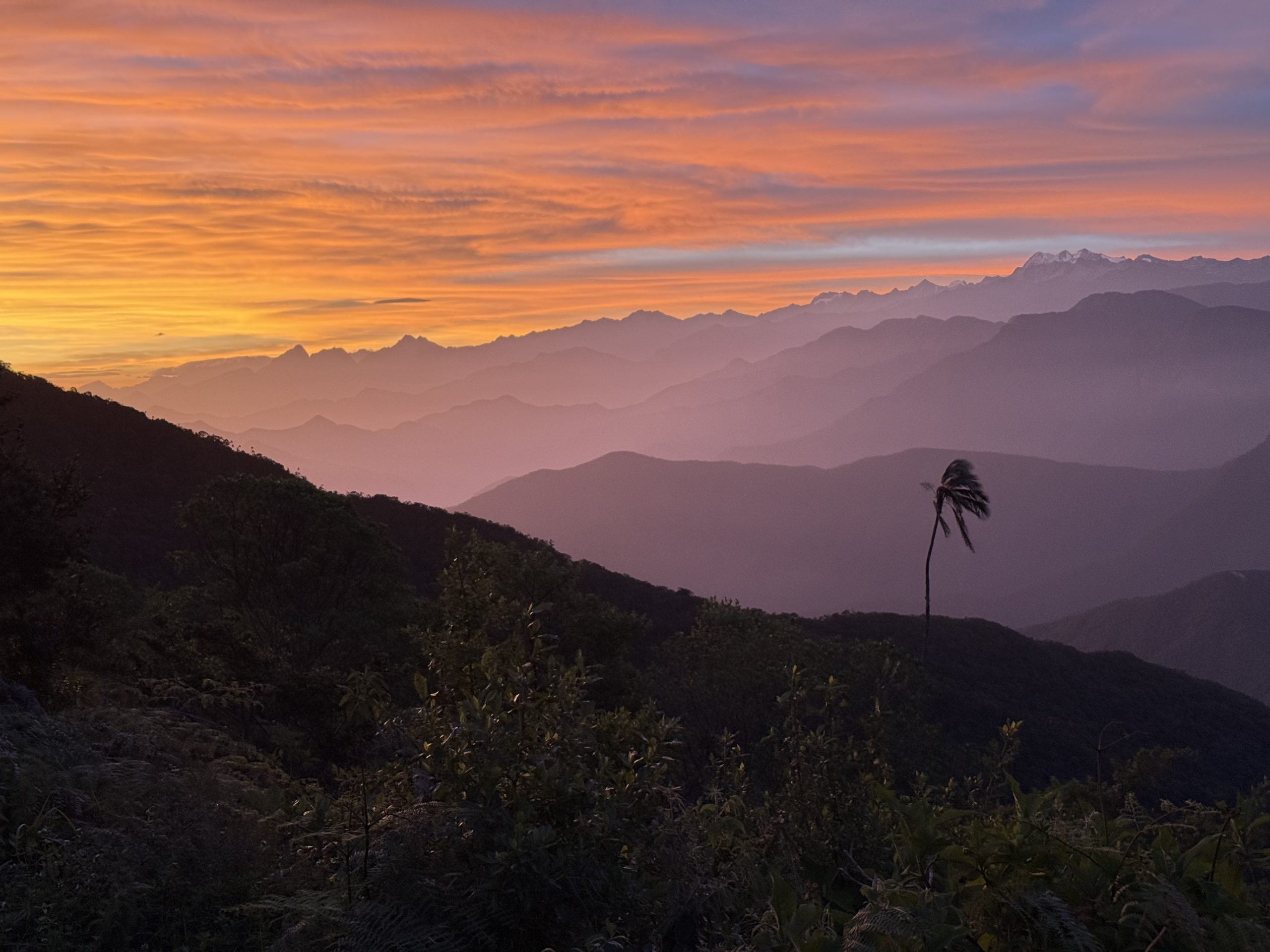
A smathering of color and lifers await you along o A smathering of color and lifers await you along one of Colombia’s legendary birding routes!

The Sierra Nevada de Santa Marta is an isolated mountain range in the Northern portion of the country, loaded with endemics, incredible sunsets, and lots of photo ops.

Head to our website to learn more about this tour and all of our offerings for 2027!

Join us next time!

Colombia: Western & Central Andes

 👉 Feb 9-20, 2027 🇨🇴

Colombia: Santa Marta & Caribbean 

👉 Feb 20-26, 2027 🇨🇴

•_•_•_•_•_•_•_•_•_•_•_•
•
www.birdsbybijs.com
•
BIRDS ↟ TOURS ↟ THREADS

#birdsbybijs #birding #colombia #santamarta #southamerica
Follow on Instagram

© All rights reserved

Twitter Facebook Dribbble Youtube Pinterest Medium