Costa Rica: An interesting relationship on the Tarcoles River
Costa Rica is a global biodiversity hotspot, home to 900+ species of birds! Influenced by the Pacific and Caribbean coasts, its diverse geography and varied ecosystems include seasonal dry forests, lowland tropical rainforest and montane cloud forests. This diversity and well developed tourism infrastructure makes Costa Rica a bird watcher’s paradise!
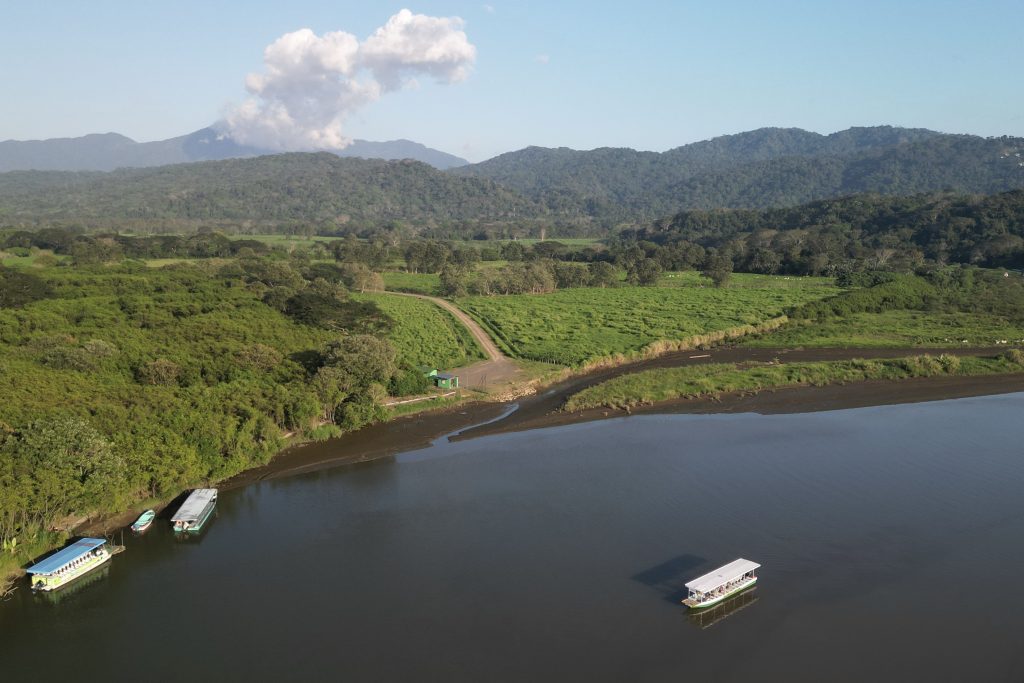
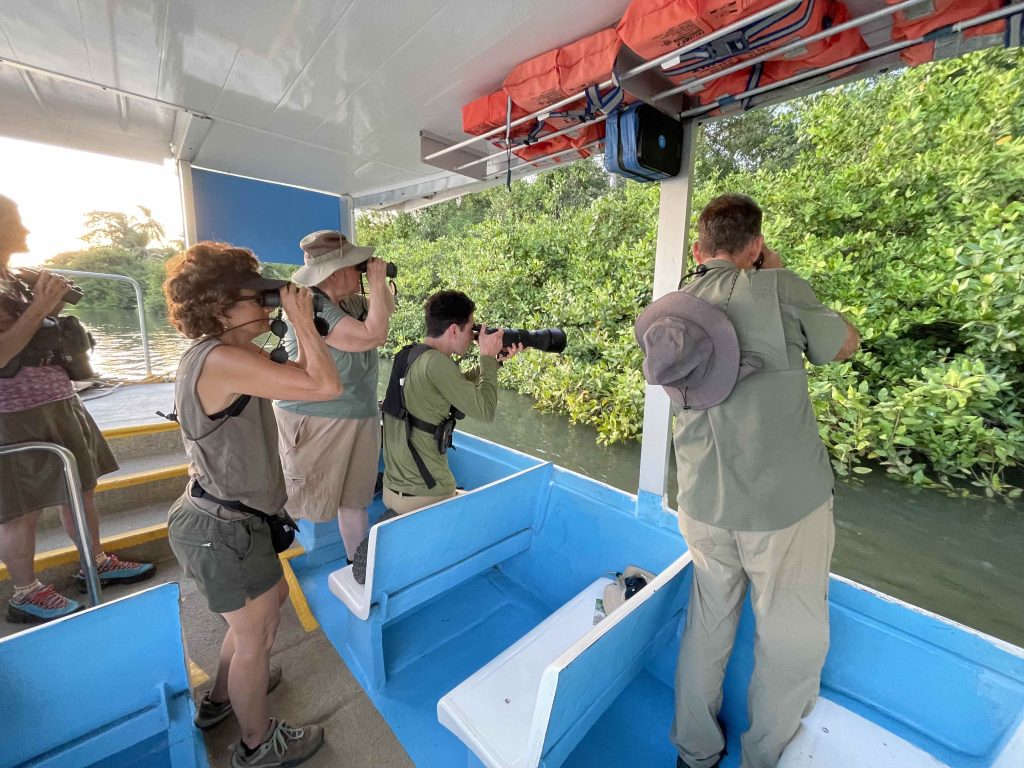
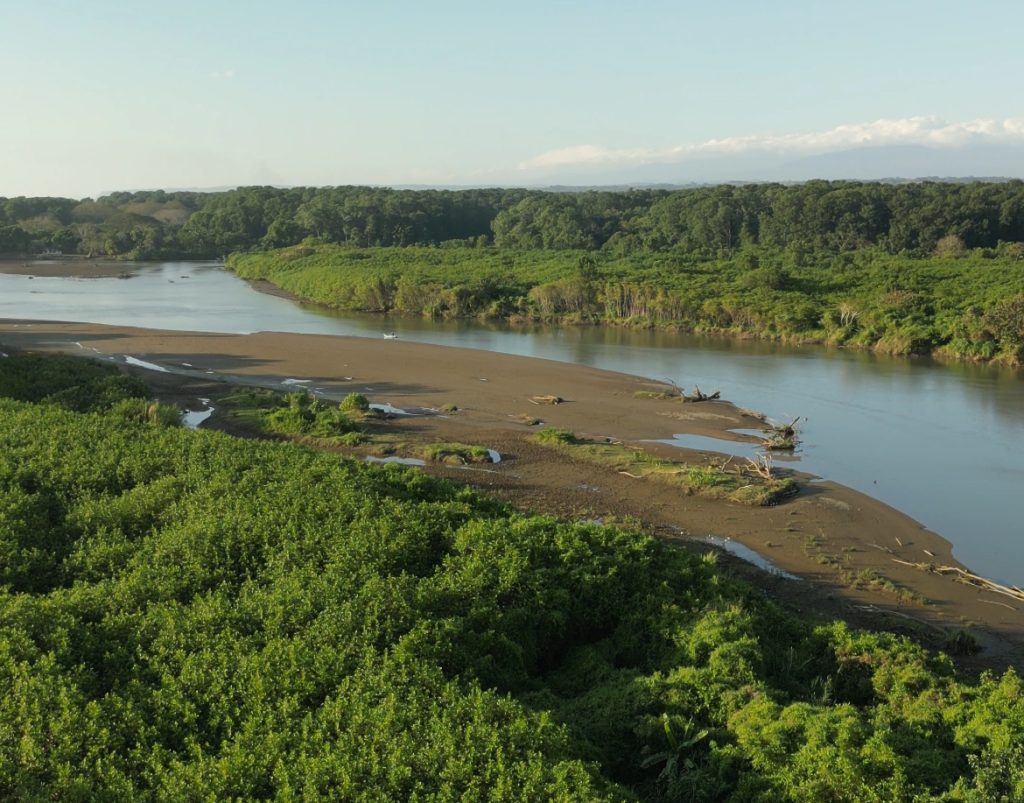
Today we’re featuring the Tarcoles River. This riparian ecosystem is located on the Pacific Coast, and one of the places we visit on my Costa Rica: Central Sur Birding Tour.
default
Magnificent Frigatebirds roosting along the river
Costa Rica, serves as an important stopover and wintering ground for migratory birds traveling between North and South America. The Rio Tarcoles and its surroundings offer suitable habitats and resources for these birds during their journeys.
The Rio Tarcoles headwaters lie along the southern slope of the Talamanca Mountains, which flow an impressive 111 km out to the Pacific Ocean. It is here, where fresh and saltwater meet, that a spectacle of wildlife and birds awaits!
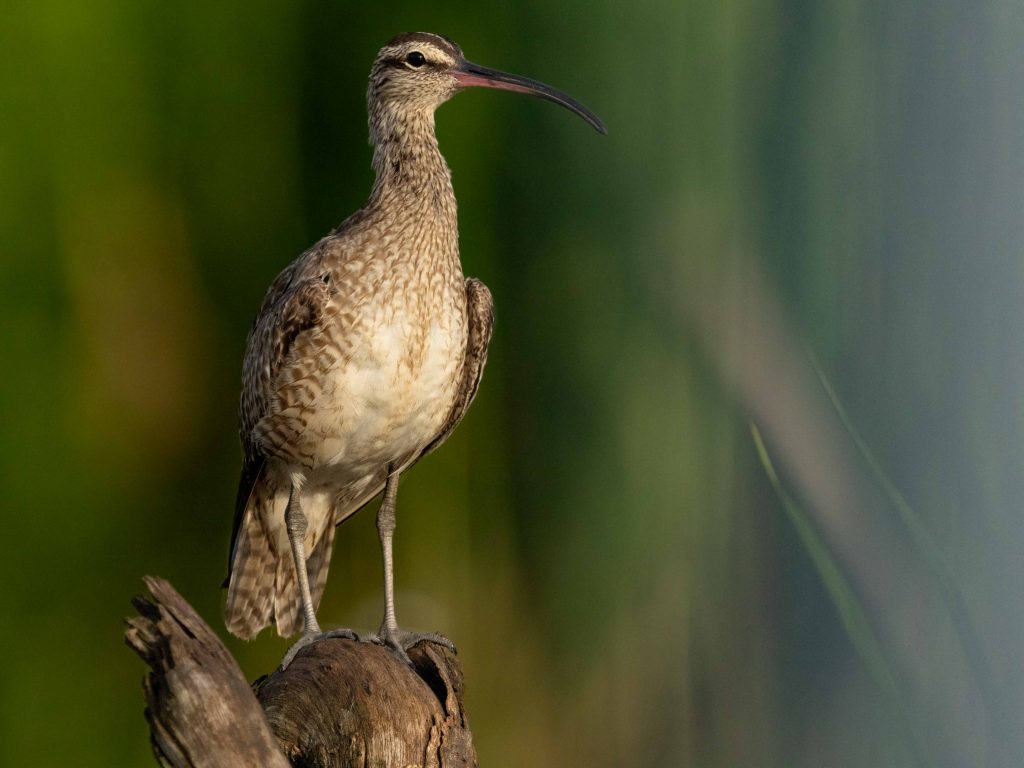
Whimbrel one of the many shorebird species that stopover or winter in Costa Rica
What makes it unique?
The river and its surrounding wetlands provide a range of habitats, including marshes, mangroves, and riverbanks. These diverse environments support a rich food web, including fish, insects, crustaceans, and other aquatic organisms with an incredible 428+ bird species reported from the local boat tours!
Ringed Kingfisher is a common sights along the riverbanks
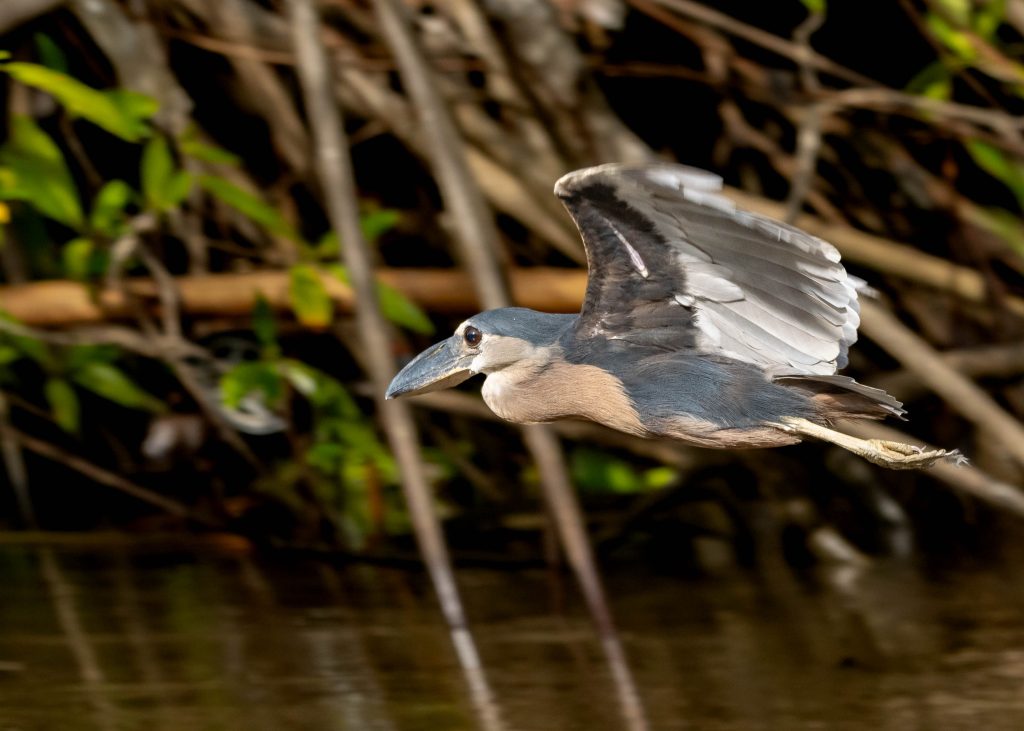
Boat-billed Heron one of the secretive river residents
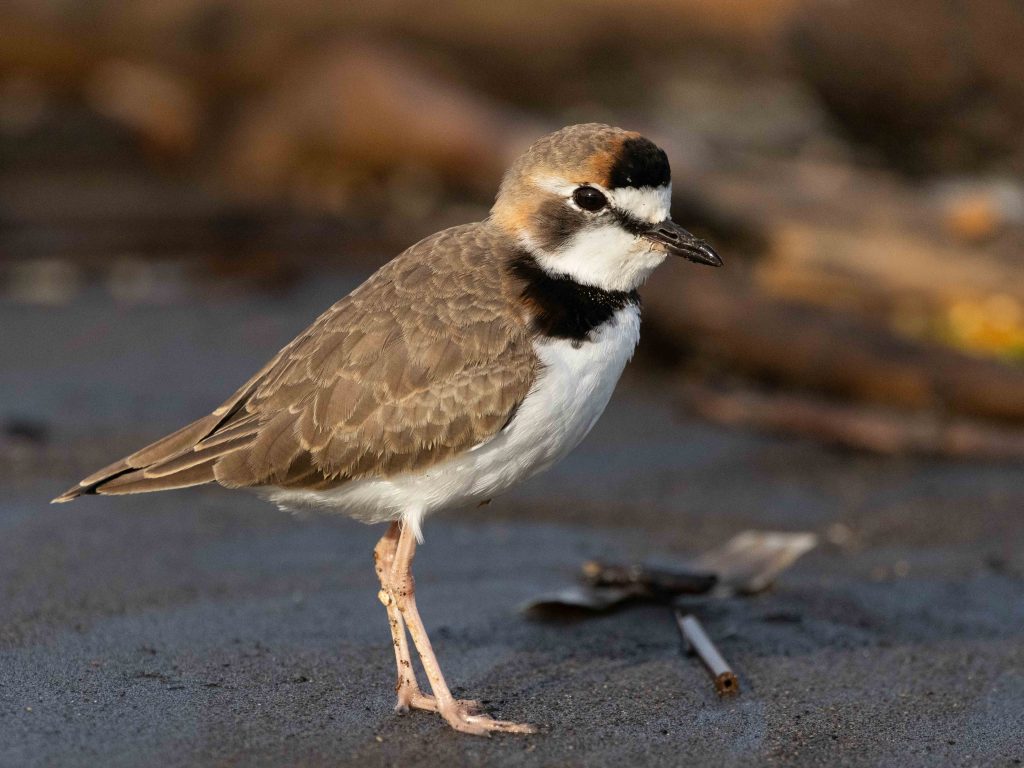
Collared Plover year-round resident in Costa Rica
Wood Stork a common resident of the sandy river banks
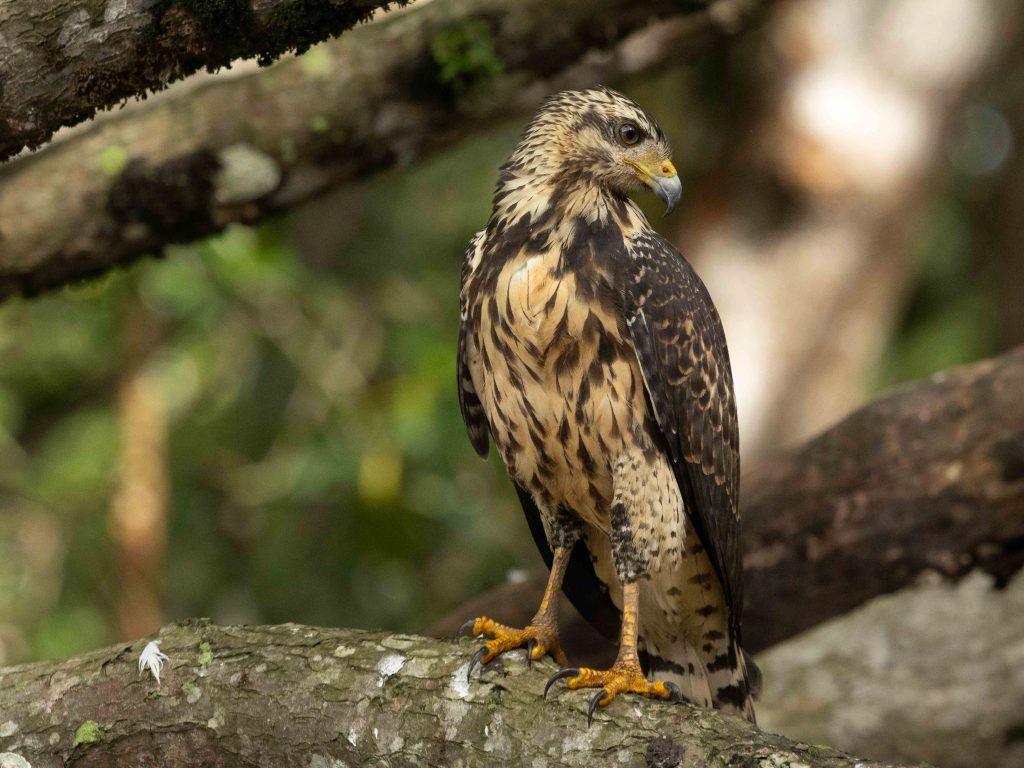
Juvenile Common Black Hawk seen in the mangroves of the river
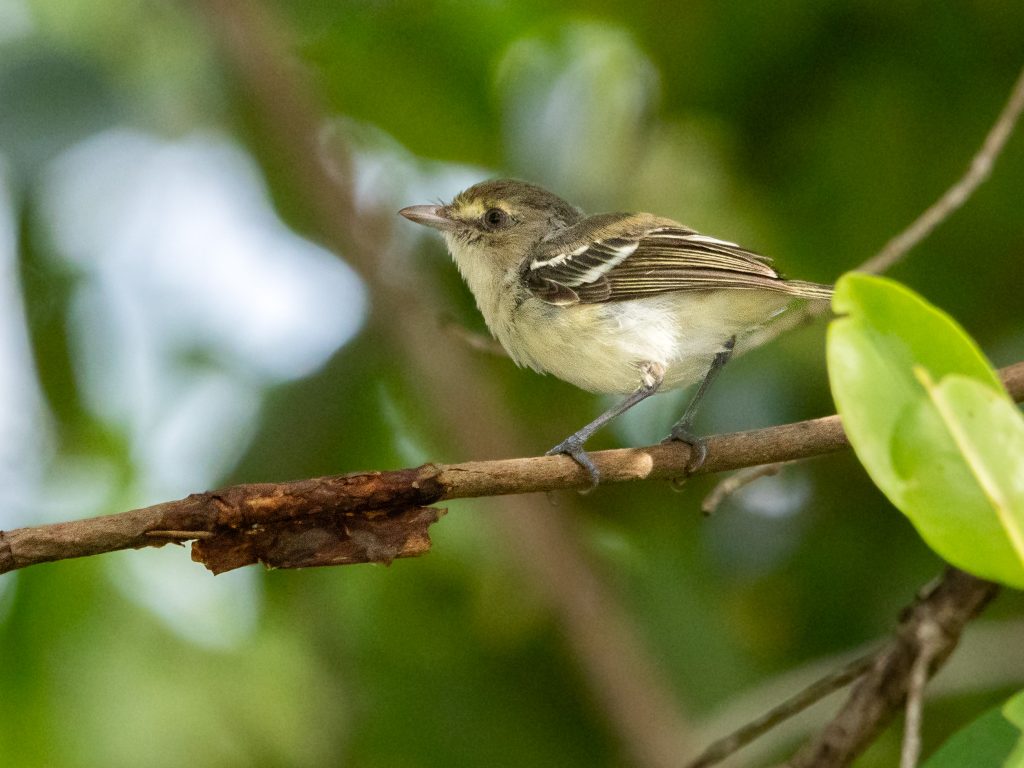
Mangrove Vireo one of the unique birds on the river
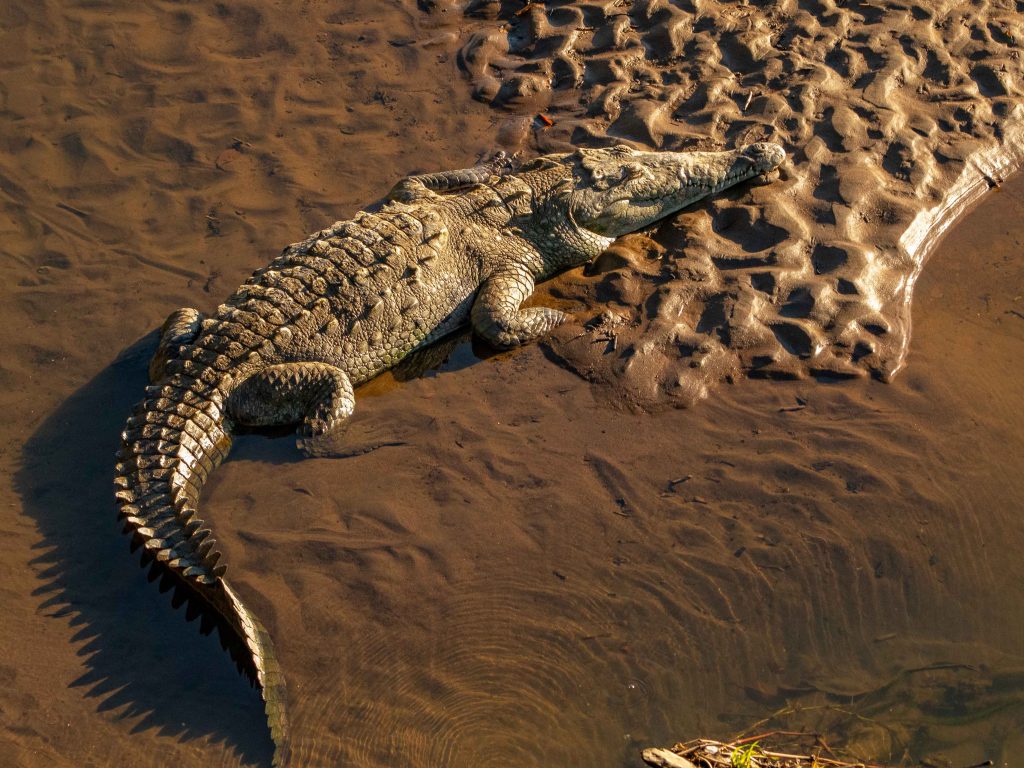
A famous reptilian resident
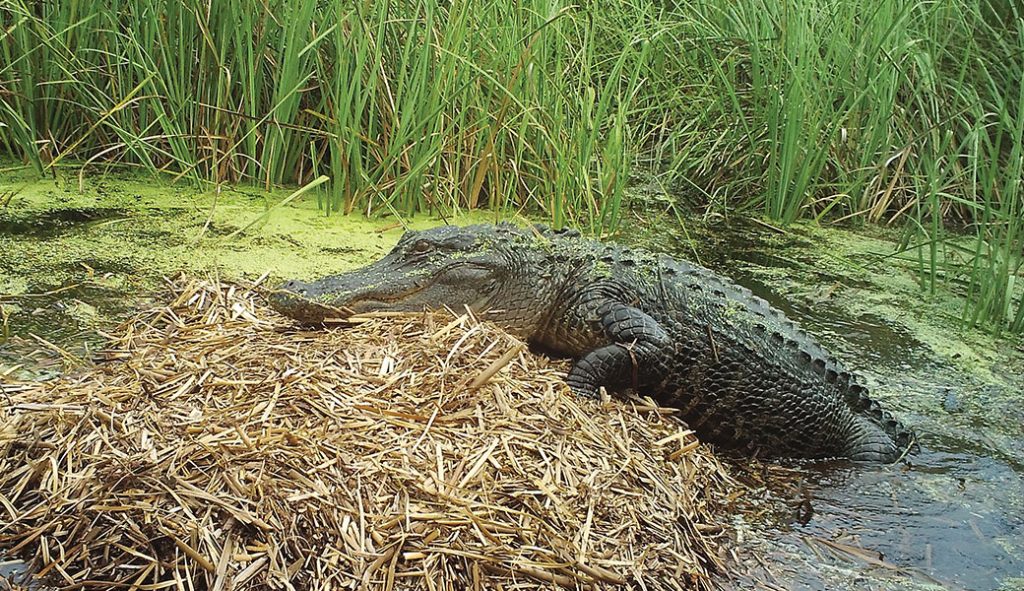
One of the famous attractions of the river are crocodiles! American Crocodiles (Crocodylus acutus) are one of the largest crocodilian species in the world. They are capable of growing to impressive sizes. On average, males typically reach lengths of 13 to 16 feet (4 to 5 meters) Females are generally smaller, with lengths ranging from 8 to 12 feet (2.5 to 3.5 meters).
American Crocodiles are primarily found in parts of the Americas, including southern Florida, the Caribbean islands, and along the coasts of Central and South America. Their preferred habitat include coastal habitats, including mangrove swamps, estuaries, rivers, and lagoons. They can tolerate both freshwater and saltwater environments, making them adaptable to a variety of coastal and inland habitats.
Their diet consists of a wide variety of prey, including fish, birds, mammals, and occasionally larger animals such as deer or livestock that venture too close to the water. They are opportunistic feeders and will consume carrion as well.
American Crocodiles typically breed during the dry season. Females build nests of vegetation and soil near the water’s edge, where they lay a clutch of eggs (usually around 40 to 60 eggs). The nests are guarded by the female, who assists the hatchlings to the water after they hatch.
Crocodiles and Tiger Herons
Meet the Bare-throated Tiger Heron. A large wading bird, standing about 2.5ft tall, with a powerful spear-like beak, and long, agile legs. These large predators have a varied diet, and will eat just about anything they can get down.
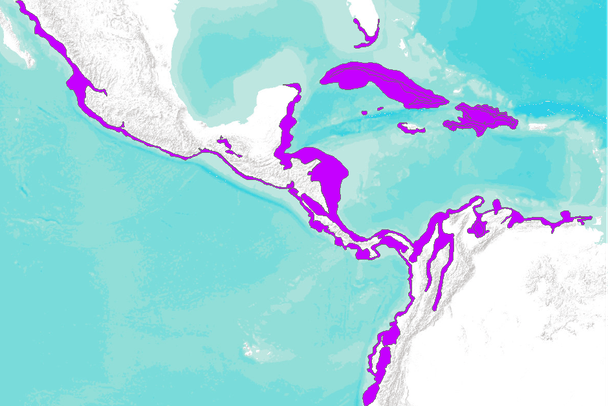
Along the coast, the Tiger Heron is typically a mangrove species. It is found, however, in a variety of coastal and freshwater situations, typically characterized as forest edged aquatic habitats. It feeds in coastal lagoons, mangrove swamps, fresh water marshes, swamps, gallery forests along rivers and streams, and wet meadows. It feeds more in the open and in larger habitats than other tiger herons. It is primarily a coastal species occurring below 1,000 m.
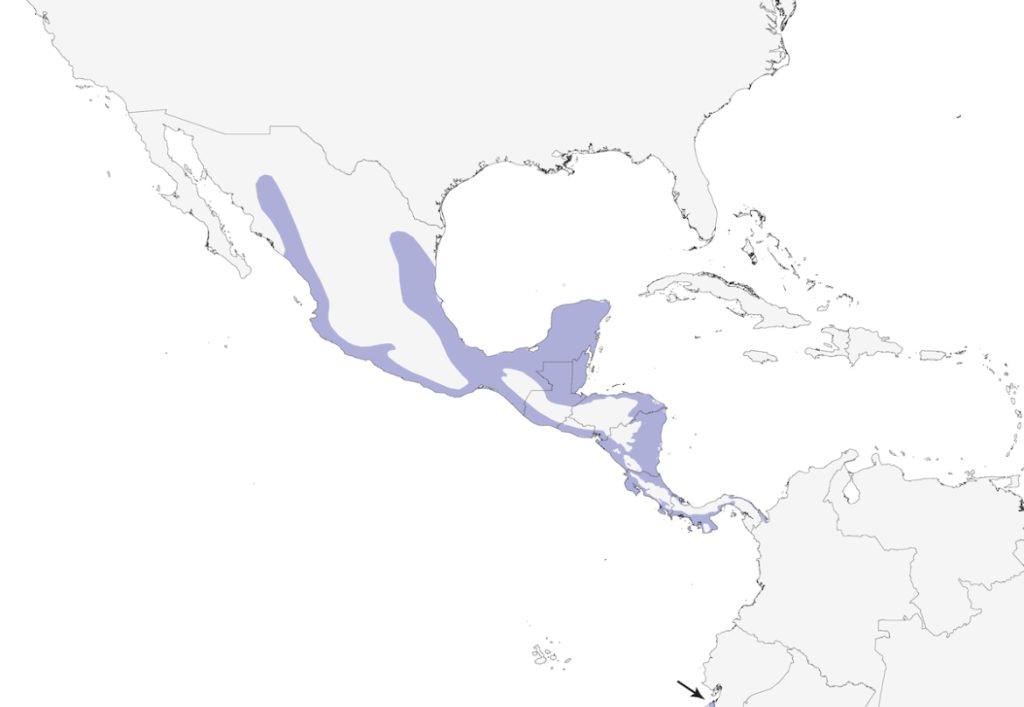
Bare-throated Tiger-Heron Range Map
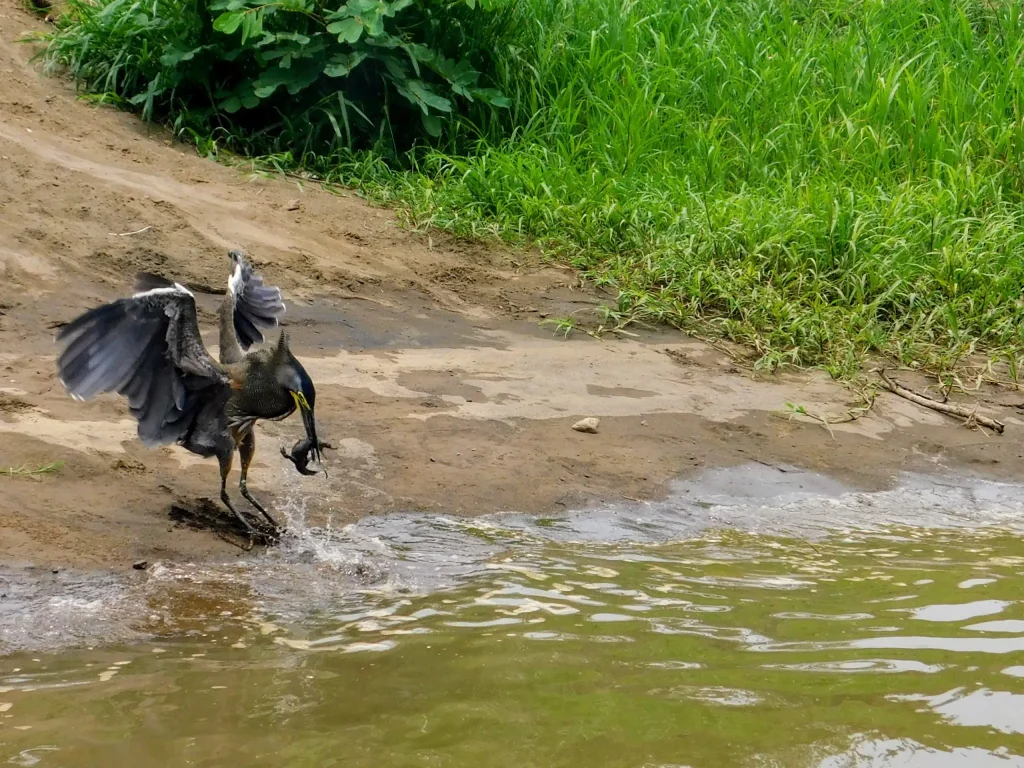
Tiger Herons, like other residents of the river, remain vigilant for crocodiles, however, they seem to be watching the crocs in a different way, especially when baby crocs around!
Crawling and swimming along the riverbank, vulnerable baby crocodiles can make an easy meal for the Tiger Herons, which will snatch them up and swallow them whole!