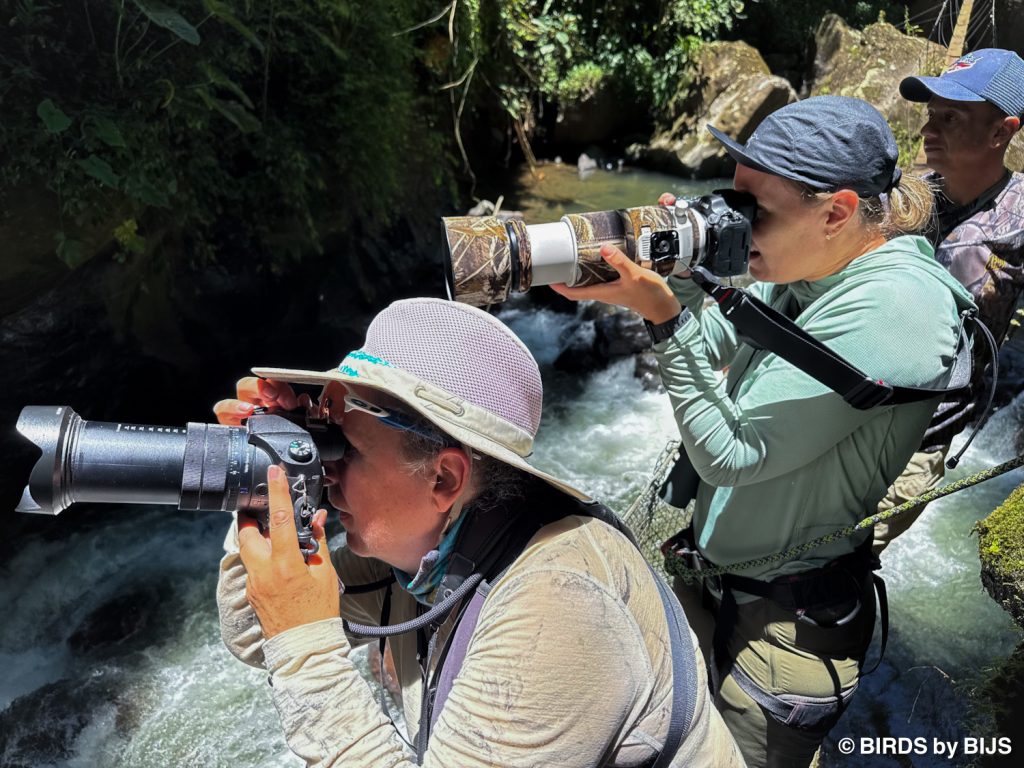
Trip Report: Colombia: Western & Central Andes + Chocó Lowlands of San Cipriano
Day 1 – Medellín & Comuna 13
Beautiful Medellin
We welcomed our participants to Medellín — the “City of Eternal Spring.” Once notorious for its violent past, Medellín has transformed into one of South America’s safest, most innovative cities. After settling in, we explored Comuna 13, learning about its complex history and its extraordinary rebirth as a center for street art, community projects, and urban tourism. We wandered the steep escalators, admired the murals, browsed local vendors, and soaked in an epic city panorama. Some participants even sampled the famed “Big Ass Ants” — Hormiga Culona, the giant roasted leafcutter ants from Santander, considered a Colombian delicacy for centuries. After a rich day of culture and history, we returned to our hotel for dinner and a briefing on the birding adventures to come.
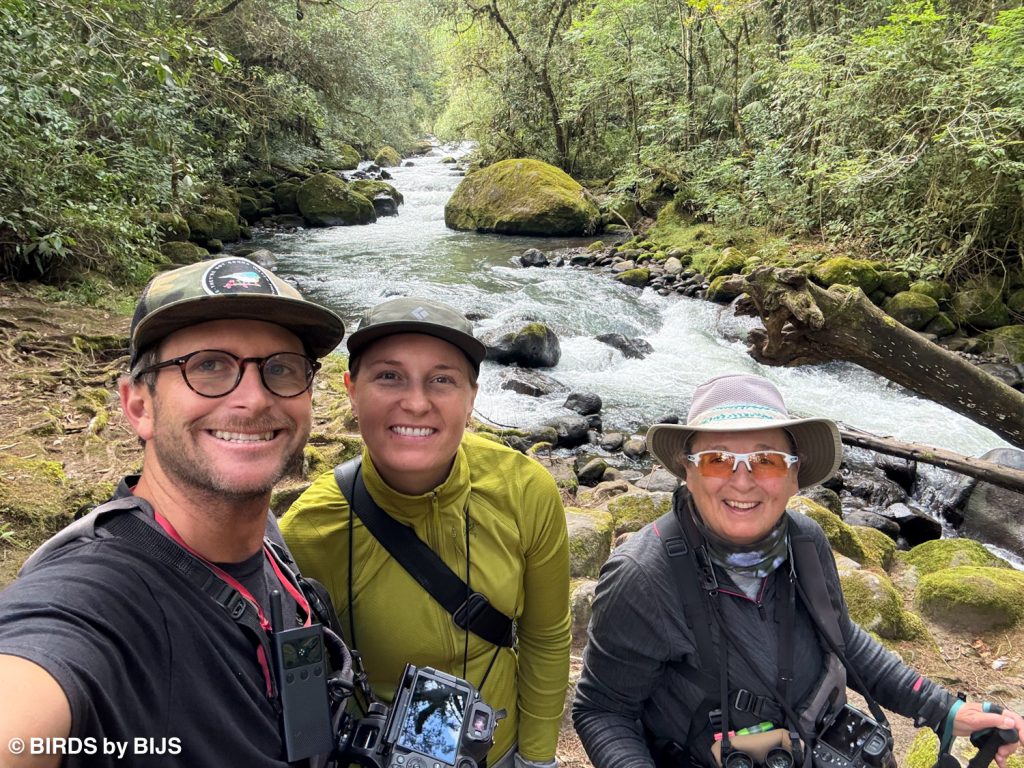
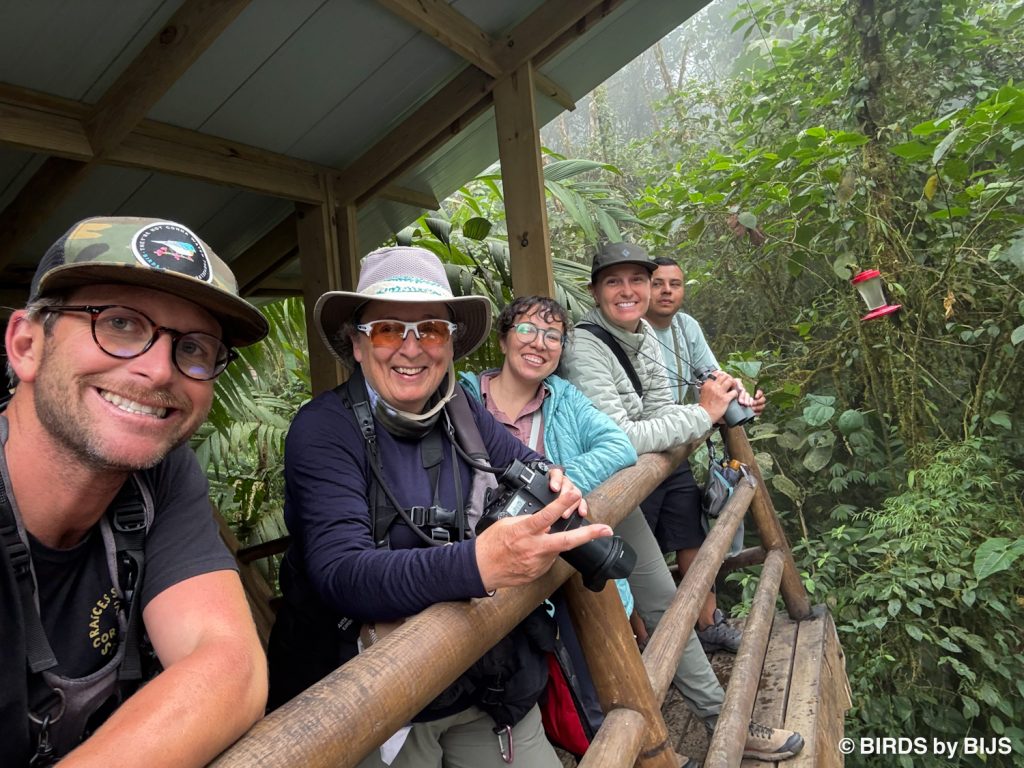
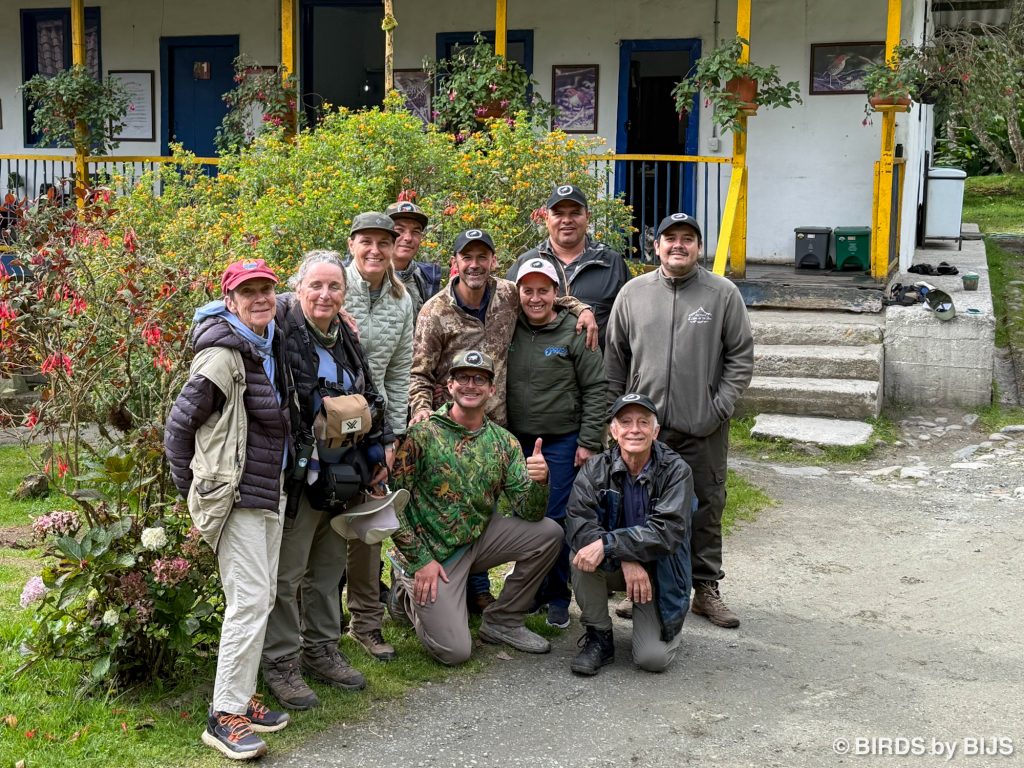
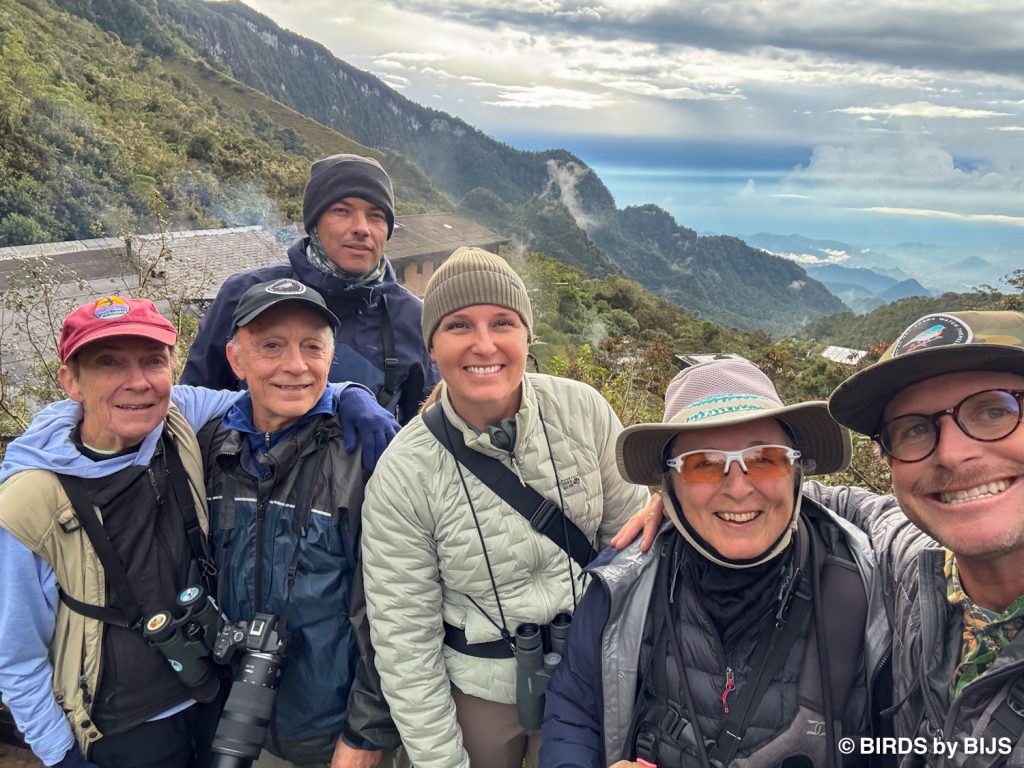
Group shot from Comuna 13
Day 2 – Antioquia Dry Forest & Jardín’s Oilbirds
Our first full day of birding began with Colombian coffee and juice before heading out to the dry forest. We paused for a hearty local breakfast of arepas and homemade specialties, then birded the parking lot where we found Black-throated Mango, Steely-vented Hummingbird, and a Roadside Hawk perched at eye level in a cecropia. In the dry forest, we quickly scored our first endemic, the Antioquia Wren — a strikingly range-restricted bird found only in the northern Magdalena Valley. Soon after we picked up the boldly marked Bar-crested Antshrike. Other highlights included Golden-crowned Warbler, Rufous-naped Greenlet, Slate-headed Tody-Flycatcher, Chivi Vireo, and a Black Hawk-Eagle calling overhead.
Charming Jardín
We then continued to the charming town of Jardín, famous for its coffee-growing culture and colonial architecture. Just outside town, we visited a unique avitourism site featuring the Oilbird — a nocturnal, fruit-eating species that roosts communally in caves but flies vast distances at night to forage. Seeing them in daylight and in such accessible conditions was a true privilege. We also scoped out the charismatic White-capped Dipper along the rushing river. After lunch and a coffee-brewing tour in town, we ended the day at a legendary
Colombian Café
Oilbird
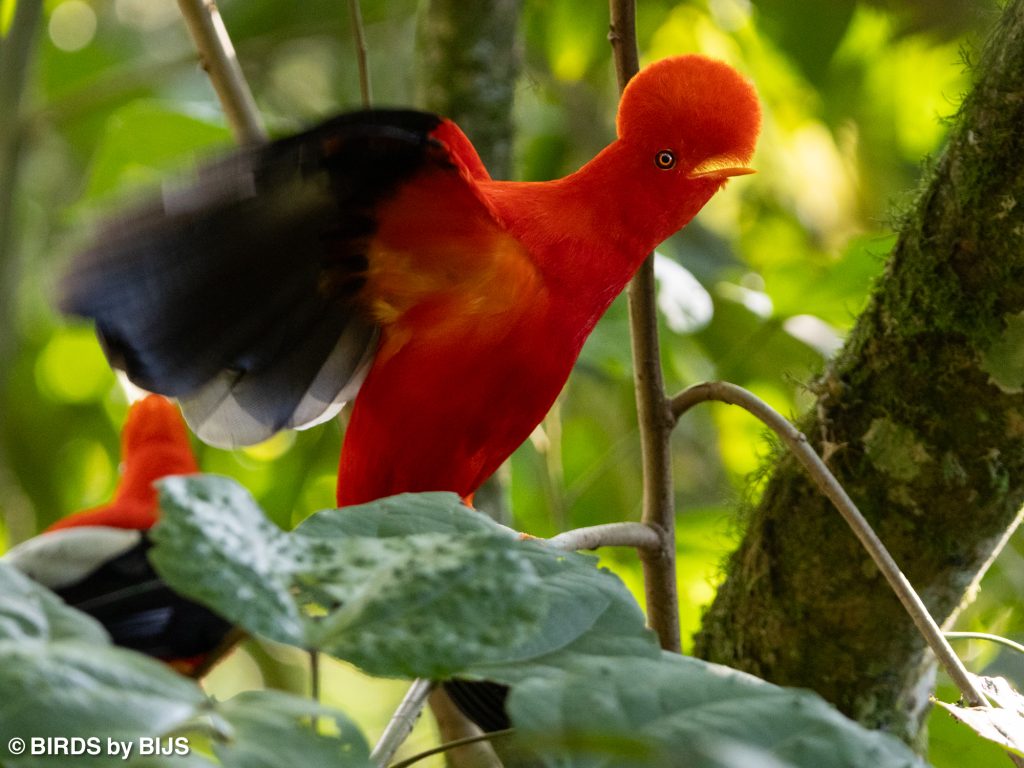
Andean Cock-of-the-Rock lek where nearly a dozen males gathered to display. A lek is essentially an avian “dance floor,” a neutral arena where males perform elaborate displays side-by-side to attract visiting females — and the noise, colors, and wing-flapping at arm’s length were unforgettable. As night fell, we spotted a Tropical Screech-Owl hunting before a sudden Andean rain shower swept in, creating a magical scene.
Andean Cock-of-the-Rock
Andean Cock-of-the-Rock
Day 3 – Yellow-eared Parrots & Cloud-forest Encounters
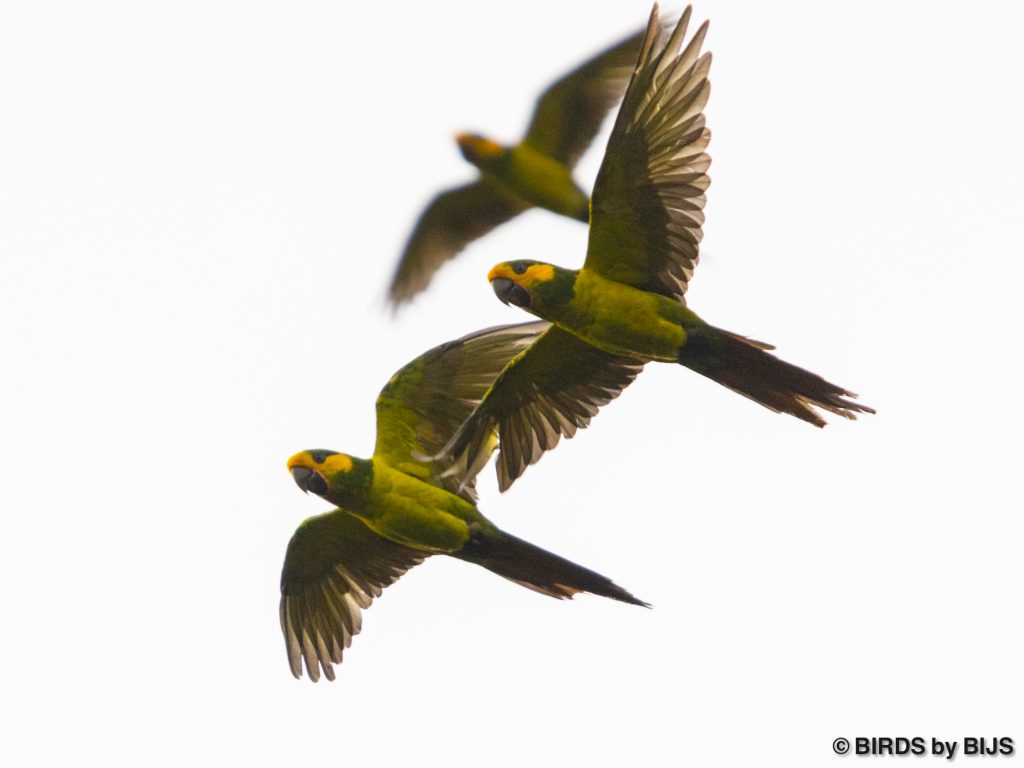
After a quick breakfast, we drove toward the department of Caldas. Along the way we stopped at a known site for the Yellow-eared Parrot, a species once considered on the brink of extinction due to habitat loss and the felling of its wax-palm nesting trees. Thanks to decades of conservation by local communities and the ProAves Foundation, the population has rebounded from fewer than 100 birds to well over 2,500, and we were able to observe 10 individuals flying overhead before they perched nearby for scope views.
Yellow-eared Parrot
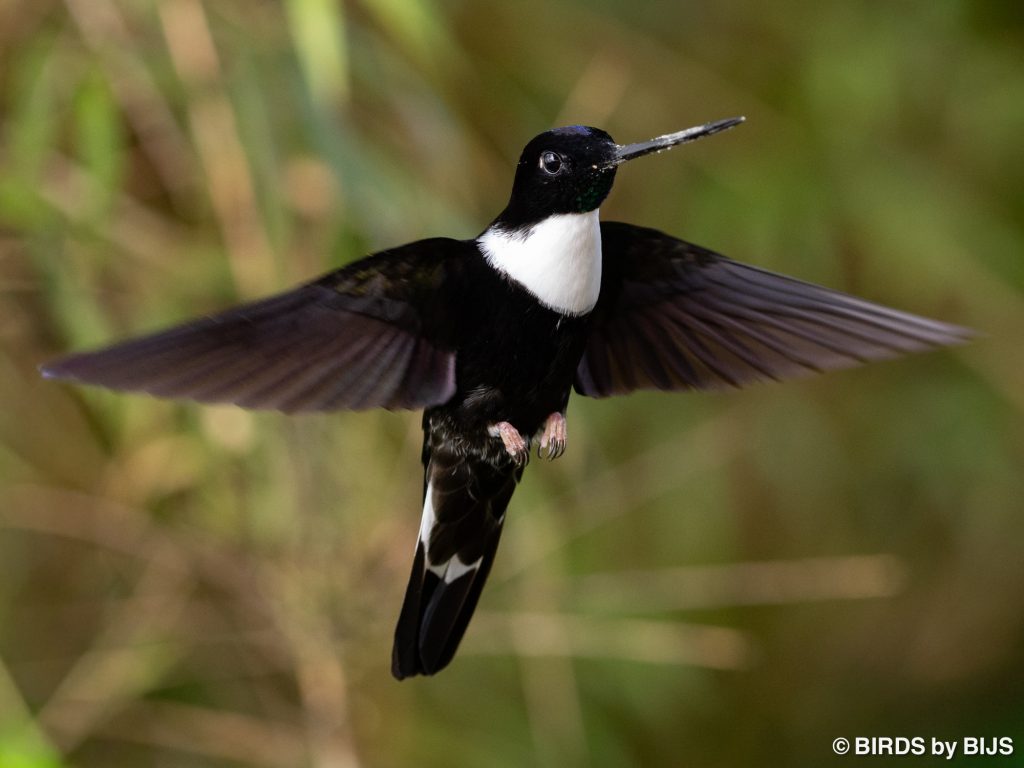
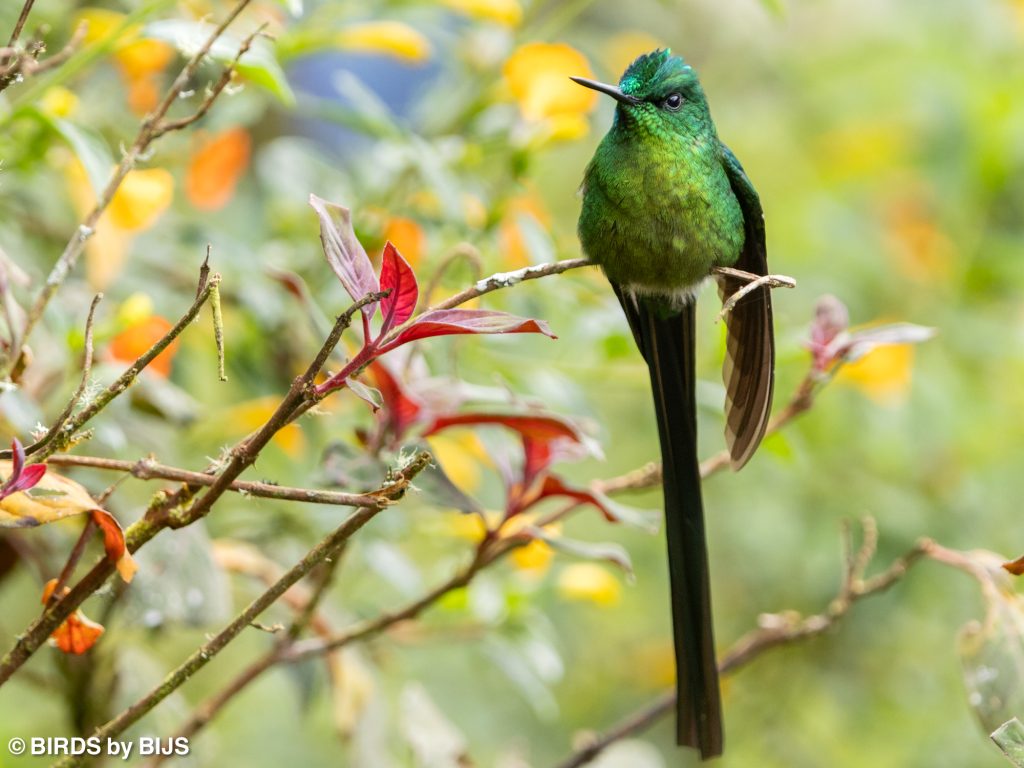
Lacrimose Mountain Tanager, Sharpe’s Wren, Blackish Tapaculo, Sickle-winged Guan, and Tyrian Metaltail rounded out this special stop. Further along we were thrilled to spot a Mountain Coati (Nasuella olivacea) foraging near the road — a rare and very local Andean mammal. By the time we reached Doña Lucia’s, a highlight breakfast awaited us: fresh corn arepas, homemade jams, and endless coffee. Feeders around the property dazzled with Tourmaline Sunangel, Long-tailed Sylph, Collared Inca, and Fawn-breasted Brilliant. On the trails we encountered Black-billed Mountain Toucan, Dusky Piha, and Beryl-spangled Tanager.
Mountain Coati
By the time we reached Doña Lucia’s, a highlight breakfast awaited us: fresh corn arepas, homemade jams, and endless coffee. Feeders around the property dazzled with Tourmaline Sunangel, Long-tailed Sylph, Collared Inca, and Fawn-breasted Brilliant. On the trails we encountered Black-billed Mountain Toucan, Dusky Piha, and Beryl-spangled Tanager.
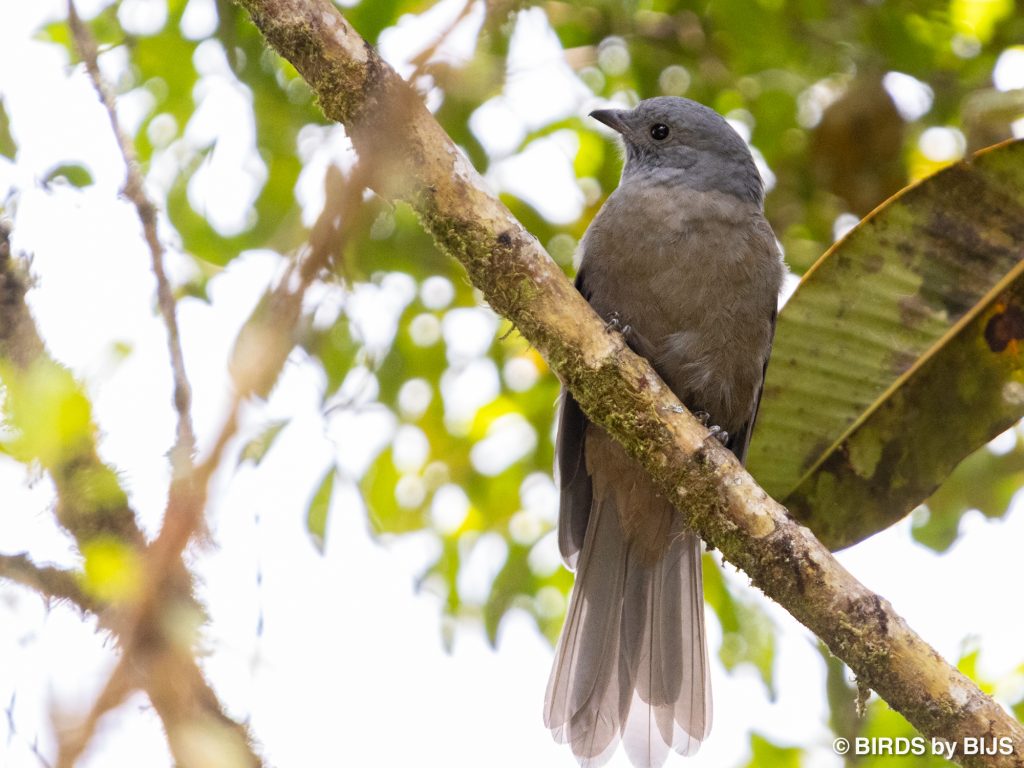
Dusky Piha
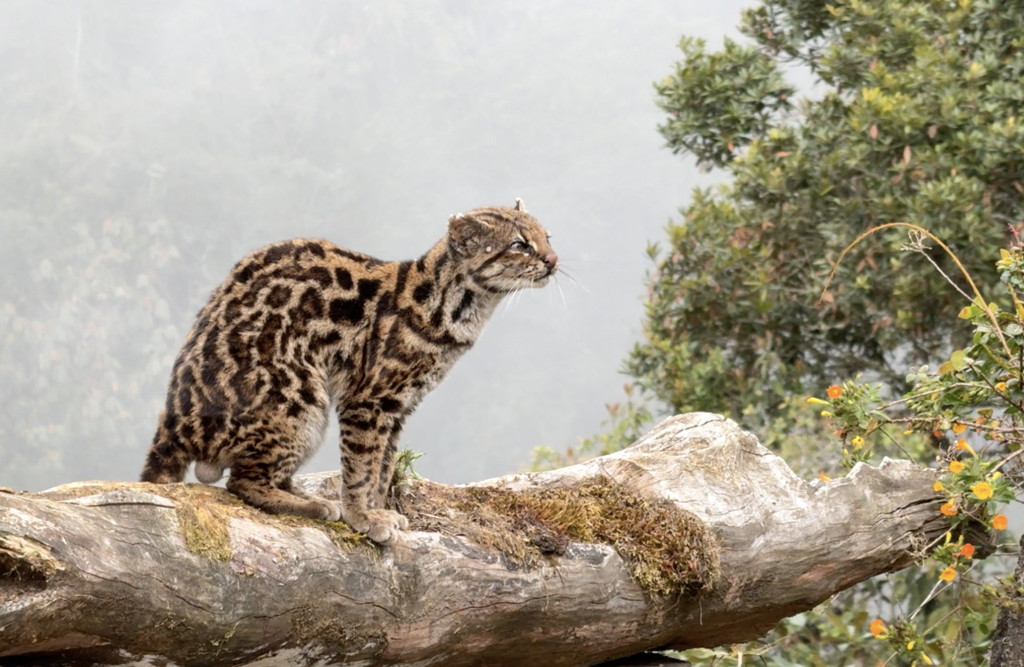
As if that weren’t enough, back at our lodge we had extraordinary views of “Manchas,” the Cloud-forest Jungle Cat (Lepardus pardinoides) recently redescribed as a distinct species. Little is known about this elusive feline; it’s thought to be a high-elevation counterpart of the Margay, feeding primarily on birds, small mammals, and reptiles, and requiring intact mature forest — a vivid reminder of how wild these mountains remain.
"Manchas" Cloud-forest Tiger Cat
Later, we continued to the Otún River, where a male Torrent Duck — a high-Andean whitewater specialist with streamlined bodies, oversized claws, and the ability to dive and cling to rocks in raging currents — gave us a show alongside riparian birds like Torrent Tyrannulet and Black-winged Saltator.
Can you see the Torrent Duck?
Day 4 – Otún Quimbaya & Transfer to Montezuma
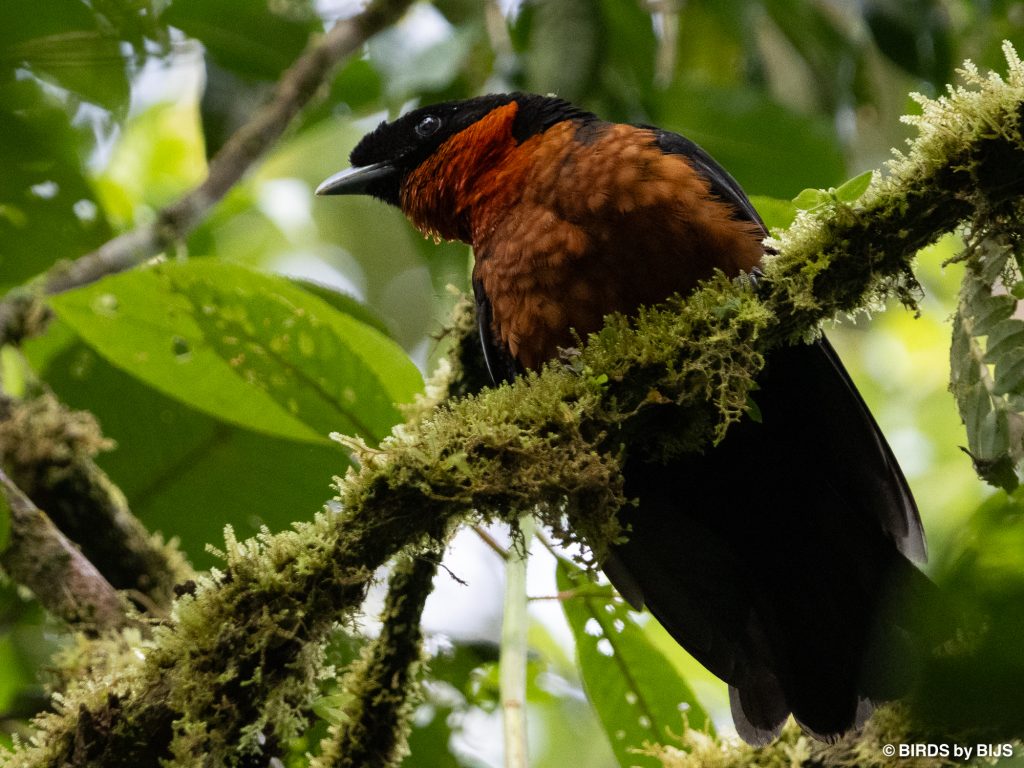
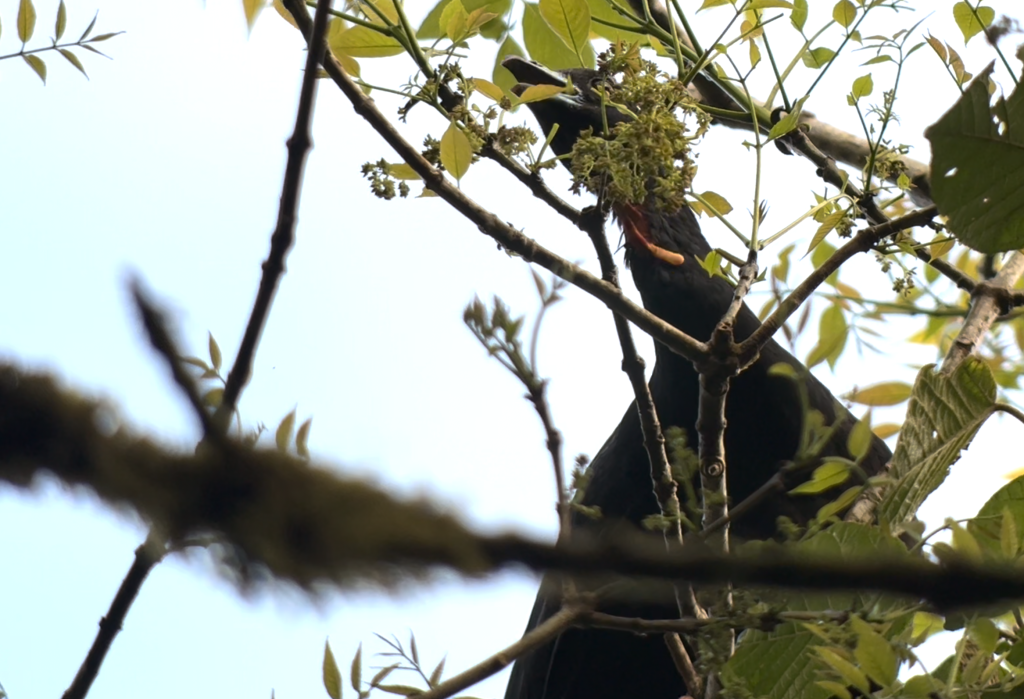
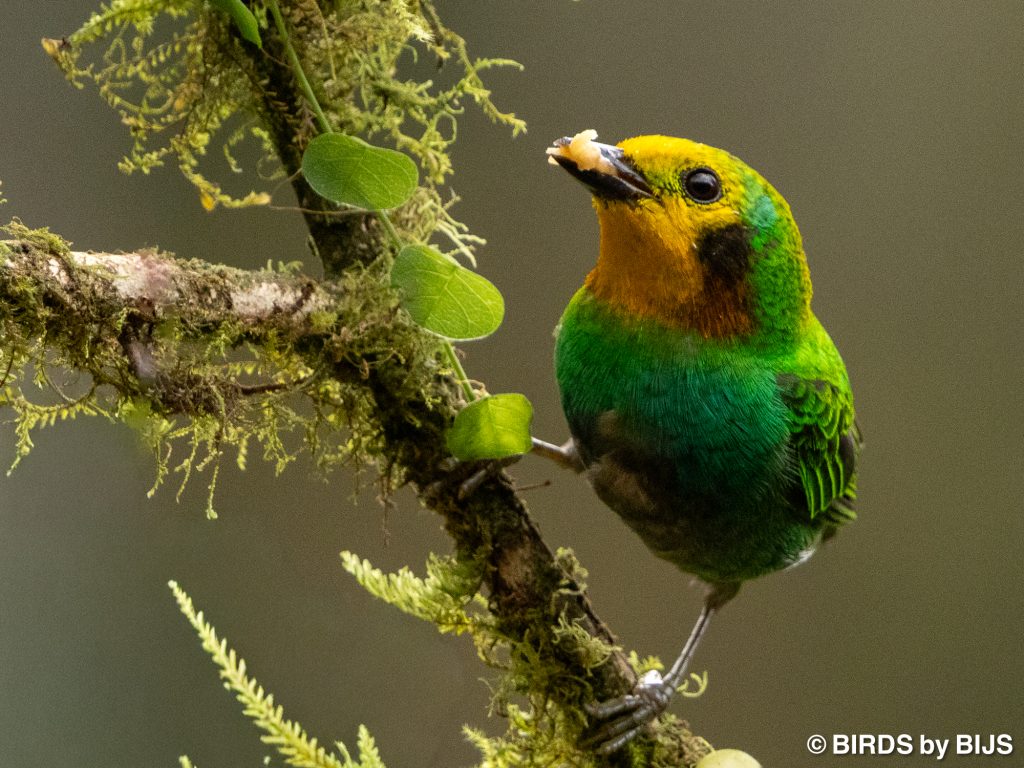
We began the day in the cloud forest of the Central Andes at Otún Quimbaya Sanctuary, Risaralda. Under cool morning mist, we observed Wattled Guans foraging overhead — a sparsely reported bird in the country. Golden-headed Quetzal, Spotted Barbtail, Azara’s Spinetail, and the stunning Red-ruffed Fruitcrow followed. A mixed flock produced a huge highlight: the elusive Multicolored Tanager, one of Colombia’s most sought-after endemics. By mid-morning, we’d tallied 56 species, including Three-striped Warbler and Cinnamon Flycatcher.
Red-ruffed Fruitcrow
Upper Otun River
Wattled Guan
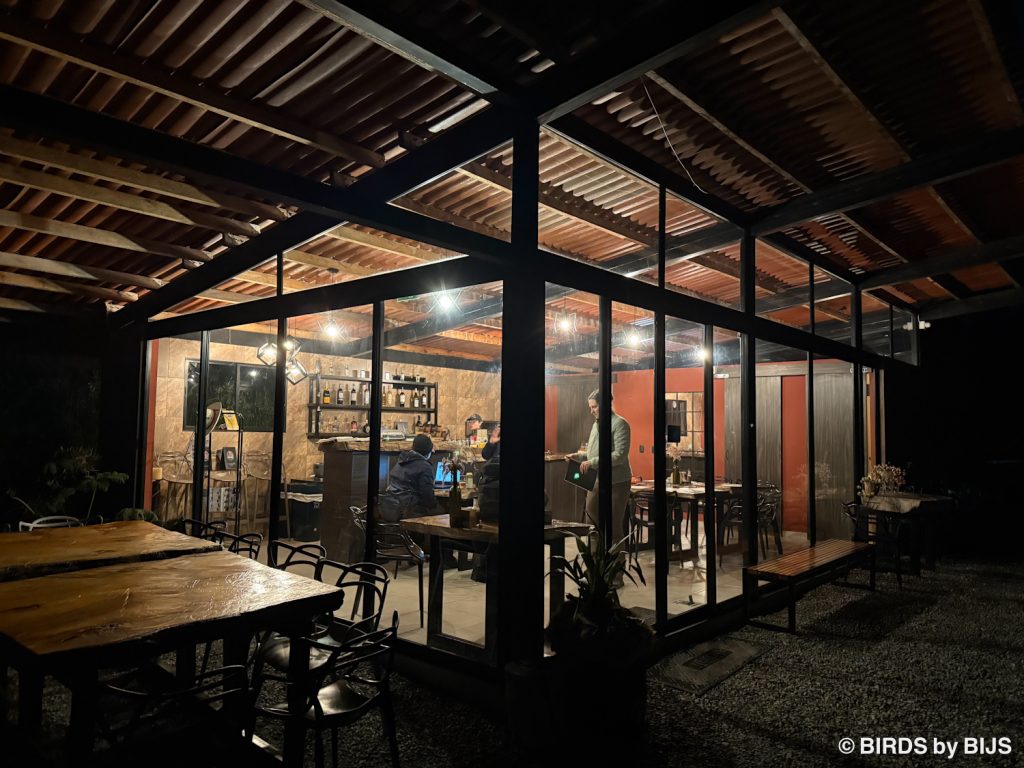
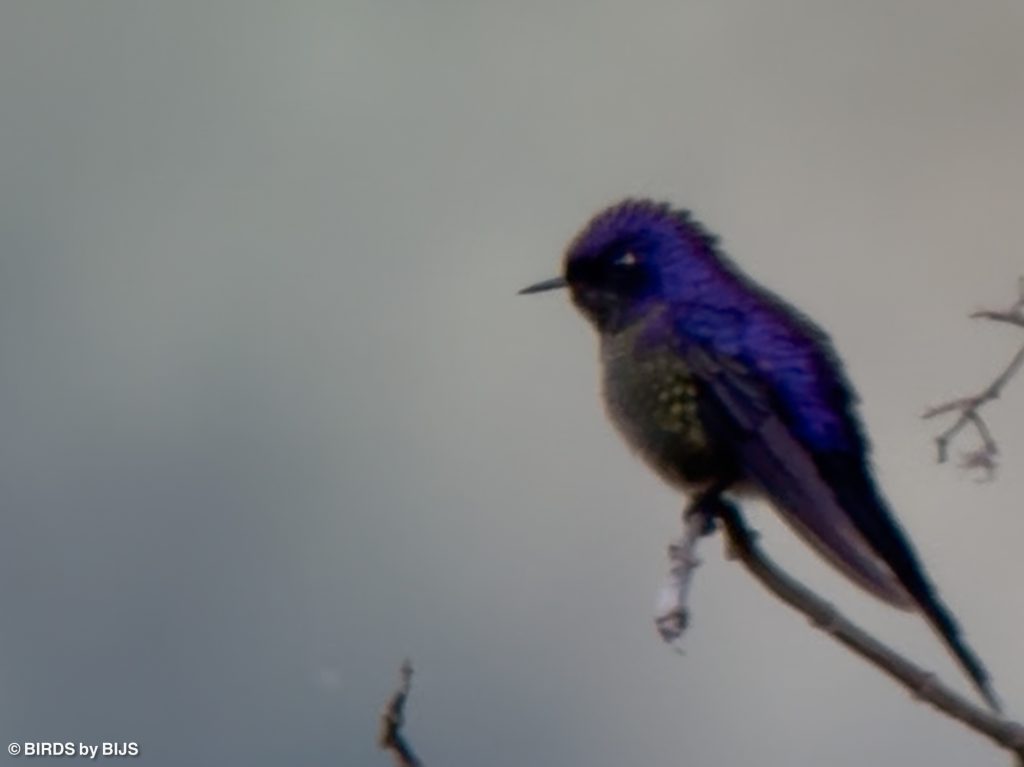
After lunch we crossed the Cauca Valley into the Western Andes, arriving at the amazing Montezuma Rainforest Lodge in Tatamá National Park. Blackish Rail tiptoed out of cover, and the feeders erupted with Velvet-purple Coronet, White-booted Racket-tail, Empress Brilliant, and Purple-bibbed Whitetip. As dusk settled, we relaxed into our rooms, savoring the lodge’s remote rainforest setting before dinner and checklists.
Day 5 – Upper Montezuma Road & Bangsia Spectacle
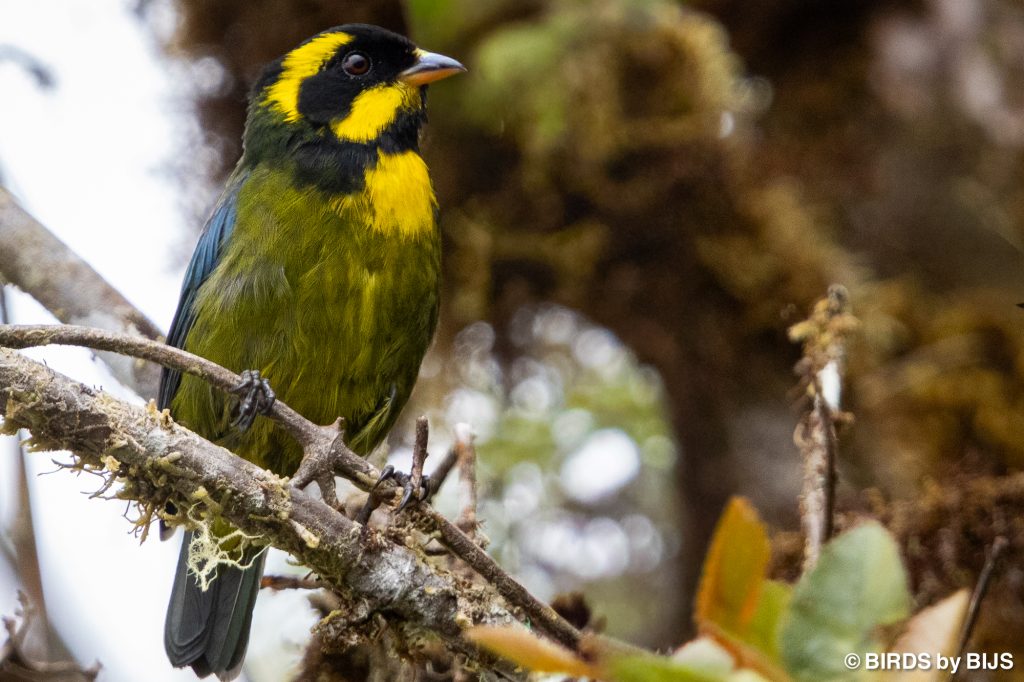
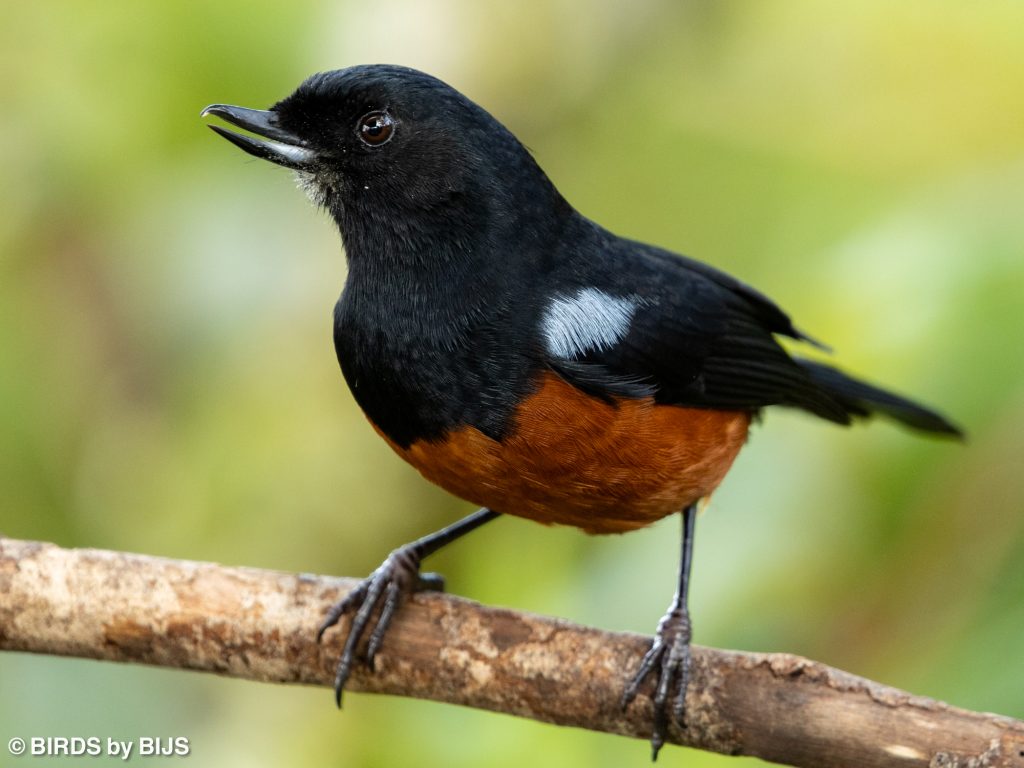
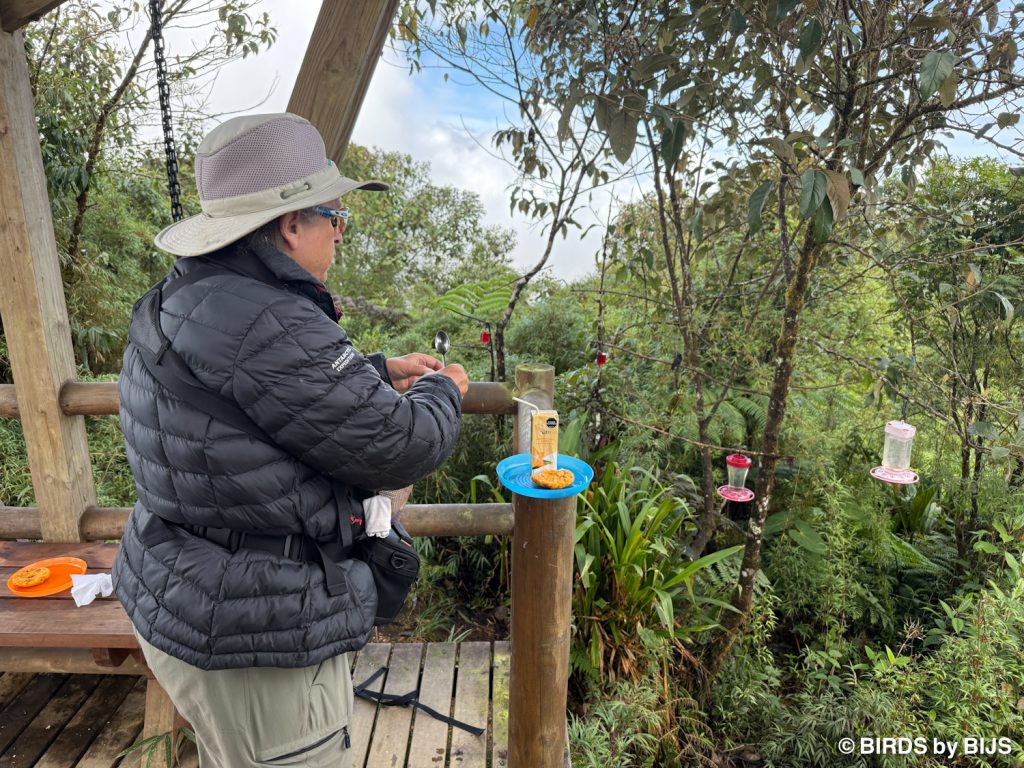
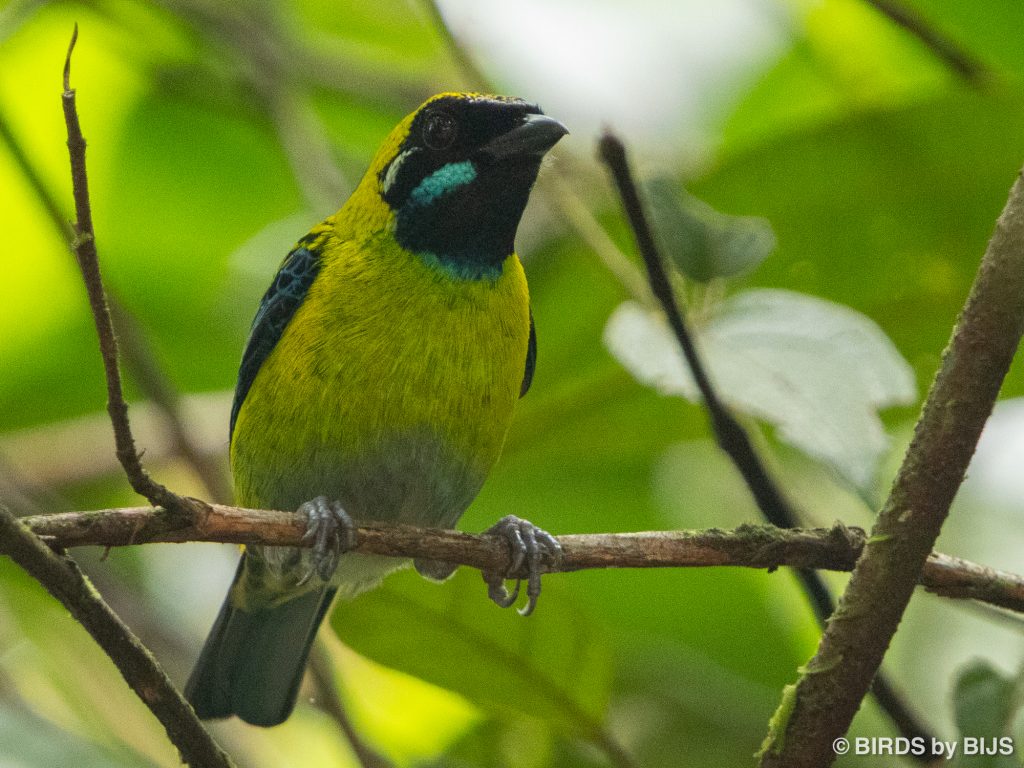
Pre-dawn coffee fortified us for a hearty 4×4 ascent to the mountain top with sweeping views of the Western Andes. A hearty breakfast under the shelter preceded our first target, Chestnut-bellied Flowerpiercer, followed by scarce species like Tanager Finch and Chocó Brushfinch along the roadside. The day was spent birding Tatamá National Park from high elevation down to the lodge. Gold-ringed Tanager and Black-and-Gold Tanager — both exquisite, endemic Bangsia tanagers — stole the show. We also added Chestnut-breasted Chlorophonia, Black Solitaire, Pacific Tuftedcheek, and Munchique Wood-Wren, which is an endemic restricted to this Chocó-Andean interface. Barred Fruiteater and Rufous-headed Pygmy-Tyrant rounded out our highlights. Back near the lodge, Club-winged Manakin and Saffron-crowned Tanager dazzled in the last light. It was a day steeped in color and sound, capped with a hearty dinner and plans for tomorrow.
Gold-ringed Tanager
Chestnut-bellied Flowerpiercer
Collared Inca
Day 6 – Mid- to Lower Montezuma & Departure to Manizales
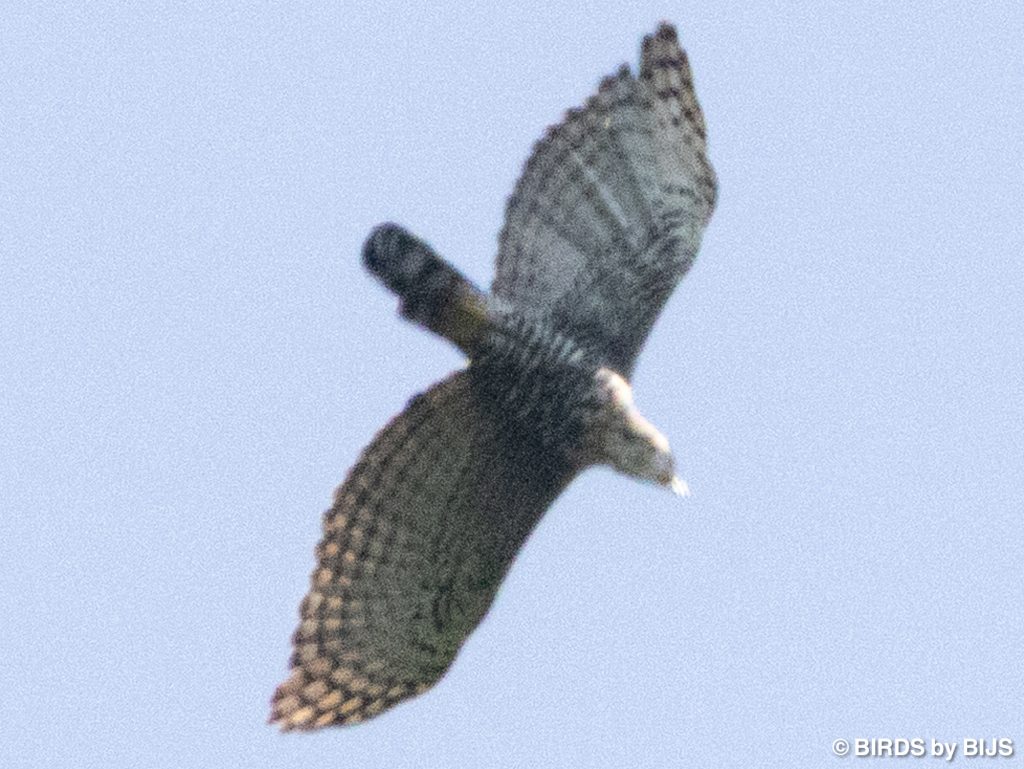
Coffee and a light breakfast fueled another day from Montezuma Rainforest Lodge, birding downslope from our high-elevation start. We uncovered mixed flocks full of treasures like Yellow-breasted Antwren, Scaly-throated Foliage-Gleaner, Flame-faced Tanager, and Glistening-green Tanager. An adult Ornate Hawk-Eagle soared above on mid-morning thermals. Orange-breasted Fruiteater and a group of Yellow-collared Chlorophonia added more color to the list. Near the lodge, our guide secured us stellar views of the secretive Lanceolated Monklet, a true specialty. By lunch, we’d added Rufous-throated Tanager and Orange-bellied Euphonia. In the afternoon, we departed Montezuma, adding White-tailed Hawk, Bronze-winged Parrot, and Golden-hooded Tanager en route to Manizales. Dinner and checklists at our hotel closed out another adventure-filled day.
Ornate Hawk-Eagle
Day 7 – Río Blanco Reserve & Antpitta Bonanza
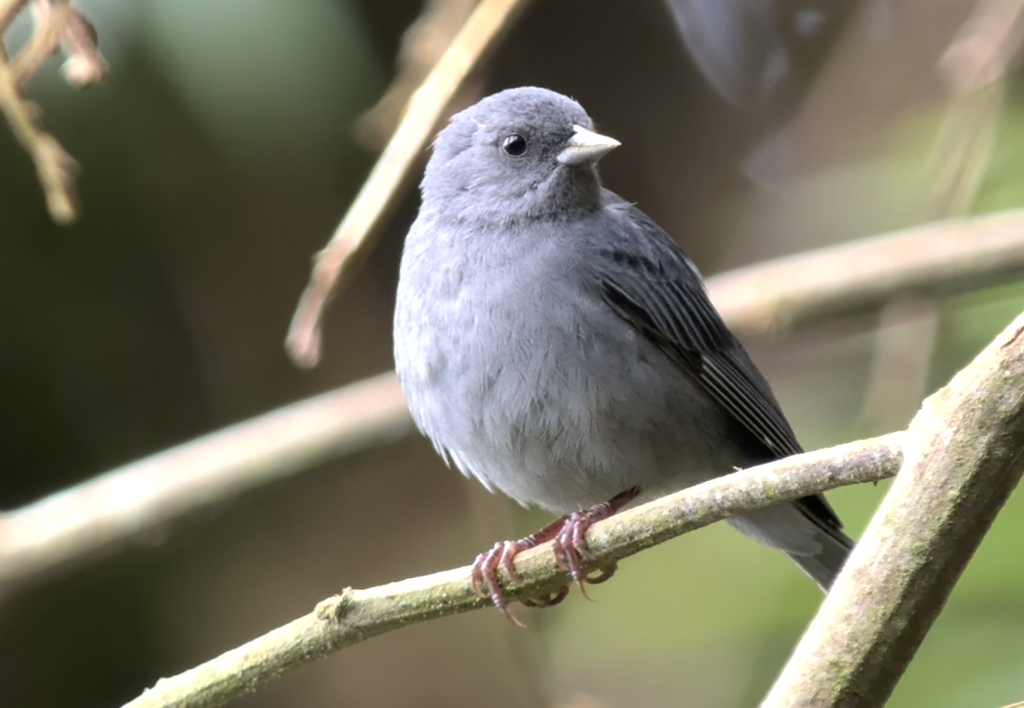
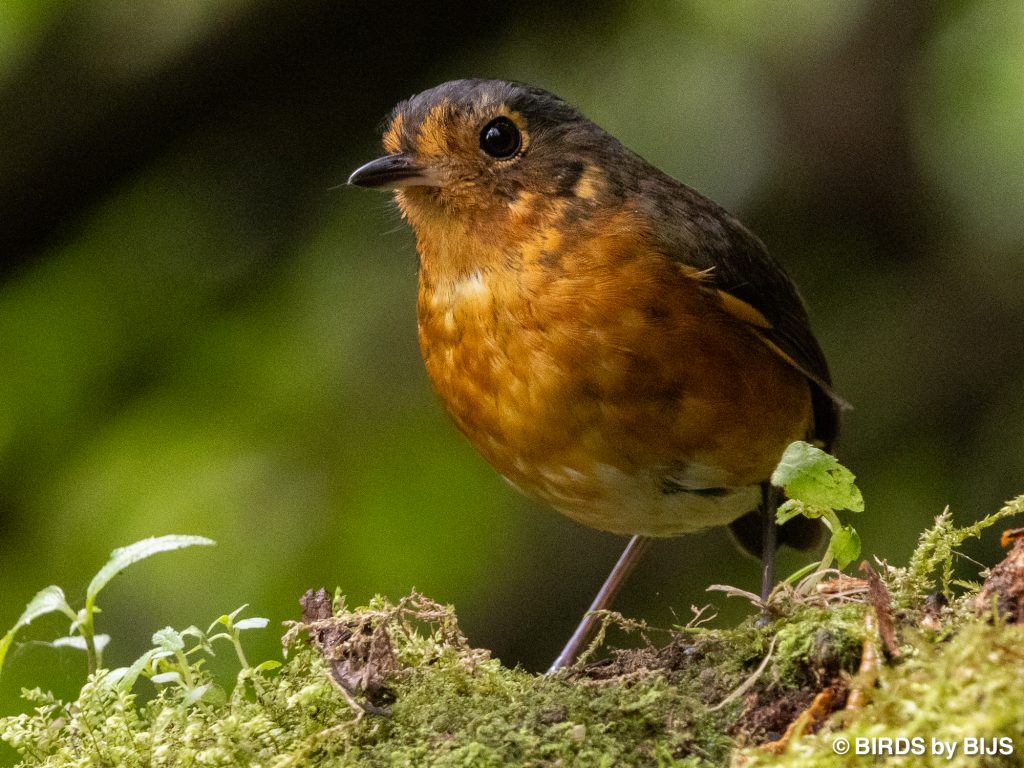
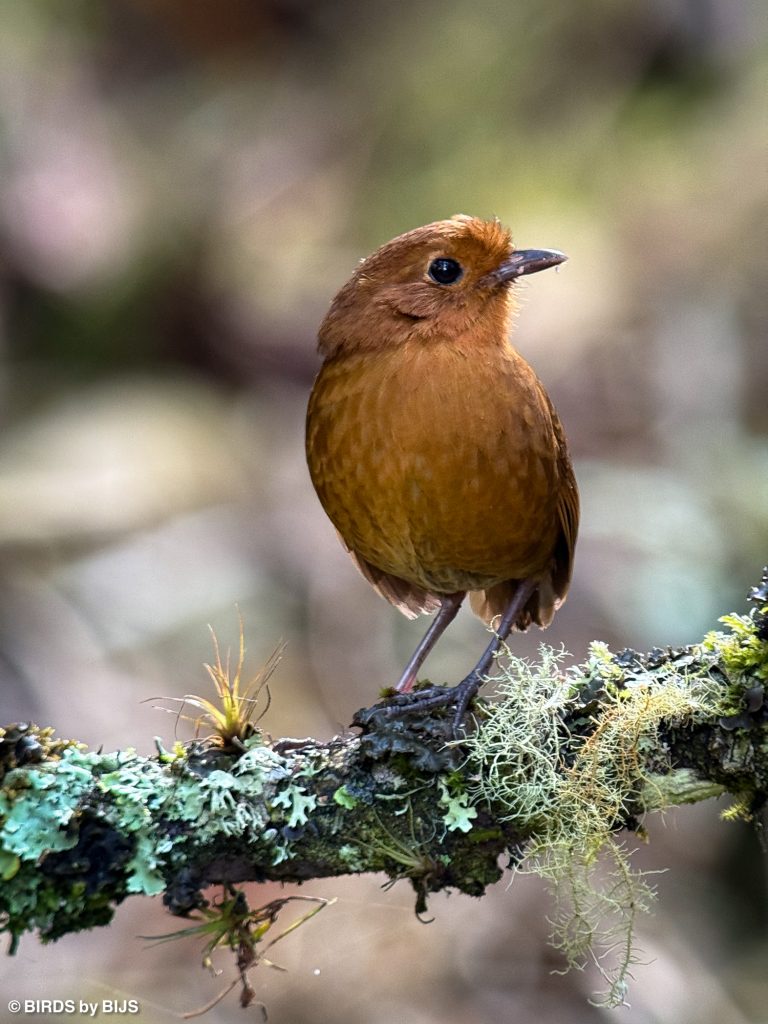
After breakfast in Manizales, we visited the renowned Río Blanco Reserve, one of Colombia’s pioneering avitourism destinations. Cloud forest trails, hummingbird feeders, and antpitta feeding stations kept us busy all morning. We began with mixed flocks of Hemispingus and an unexpected Slaty Finch feeding in seeding bamboo. Crimson-mantled Woodpecker and Black-billed Mountain Toucan dazzled before we rotated among the antpitta stations, scoring Chestnut-crowned Antpitta, Brown-banded Antpitta, and Slate-crowned Antpitta.
Slaty Finch
Slate-crowned Antpitta
Black-billed Mountain Toucan
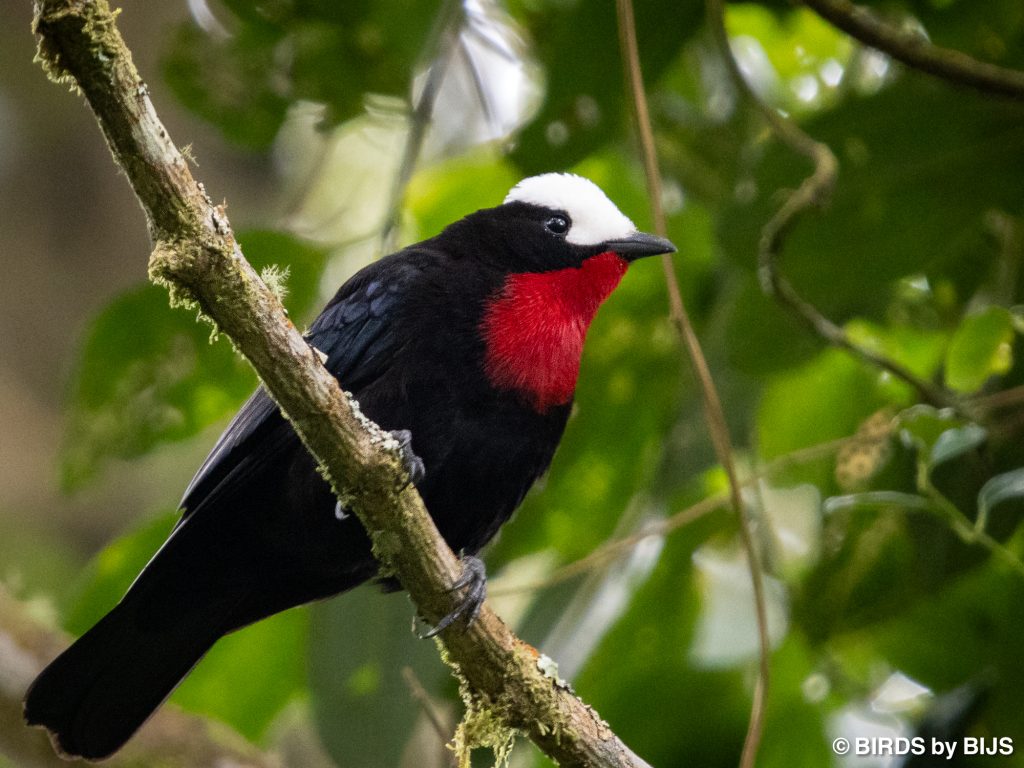
Between stations, we added Green-and-black Fruiteater, Rufous-crowned Tody-Flycatcher, and Yellow-billed Cacique. A boisterous flock of White-capped Tanagers — giant, social, and more jay-like than tanager — provided an unforgettable spectacle. After lunch, Speckled Hummingbird, Bronzy Inca, and Long-tailed Sylph offered close-up photo ops. We departed upslope to our lodge above Manizales, arriving in time for dinner and checklists.
Long-tailed Sylph
White-capped Tanager
Day 8 – High-Andean Forest & Arrival at Hotel Termales del Ruiz
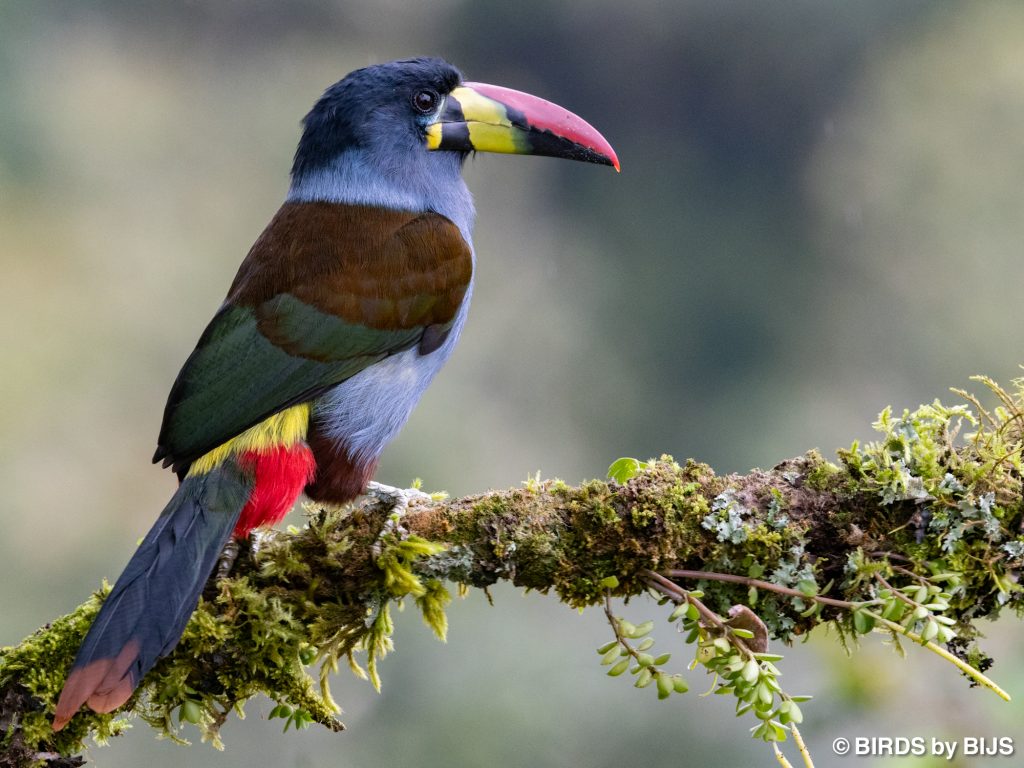
We began with a hearty breakfast and birding at a newer conservation lodge preserving a montane forest. Highlights included White-browed Spinetail, Equatorial Antpitta, Sword-billed Hummingbird, and multiple Gray-breasted Mountain-Toucans at the feeders. Hooded Mountain Tanager and Blue-backed Conebill joined the list.
Equatorial Antpitta
Hooded Mountain Tanager
Sword-billed Hummingbird
Gray-breasted Mountain Toucan
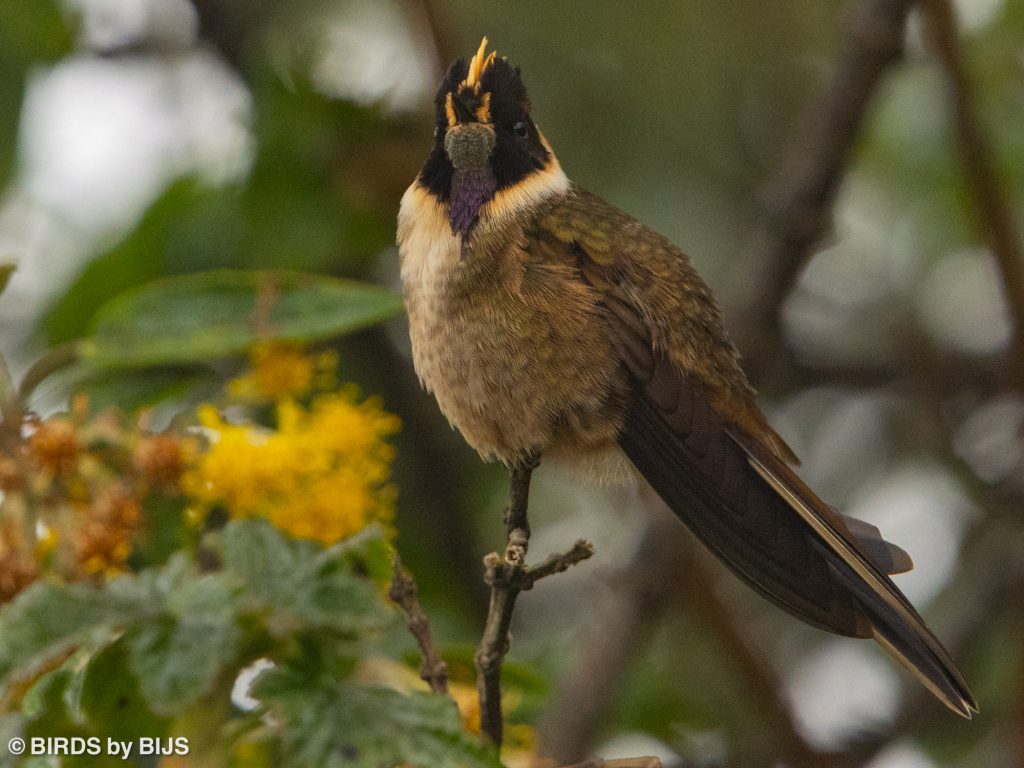
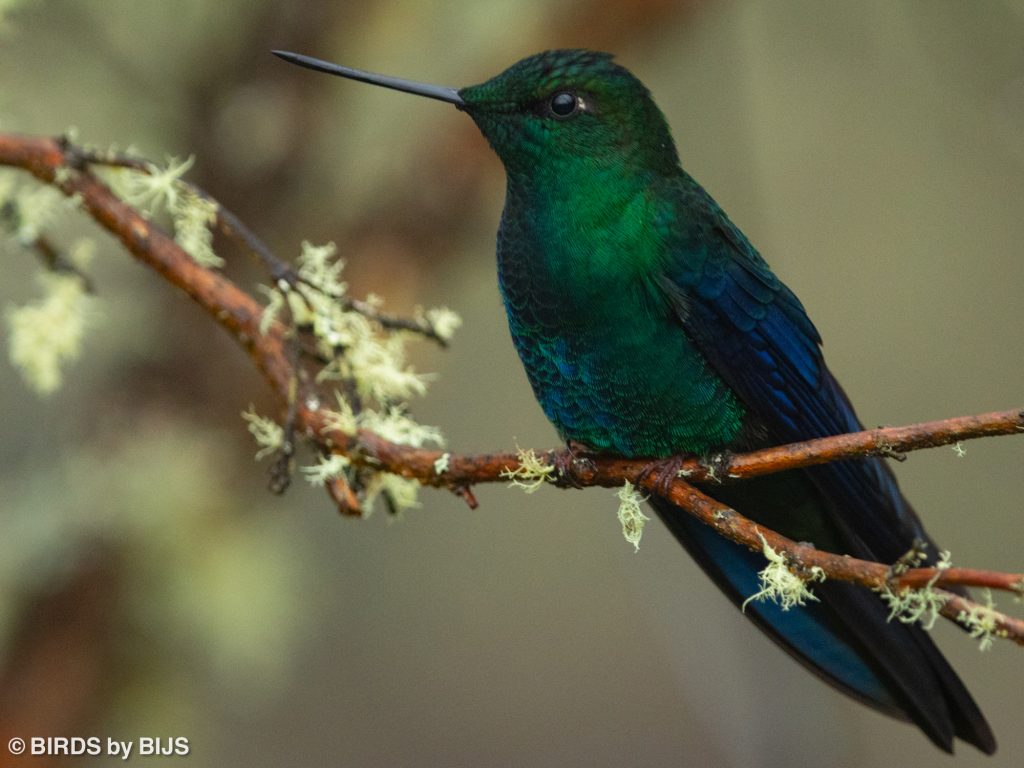
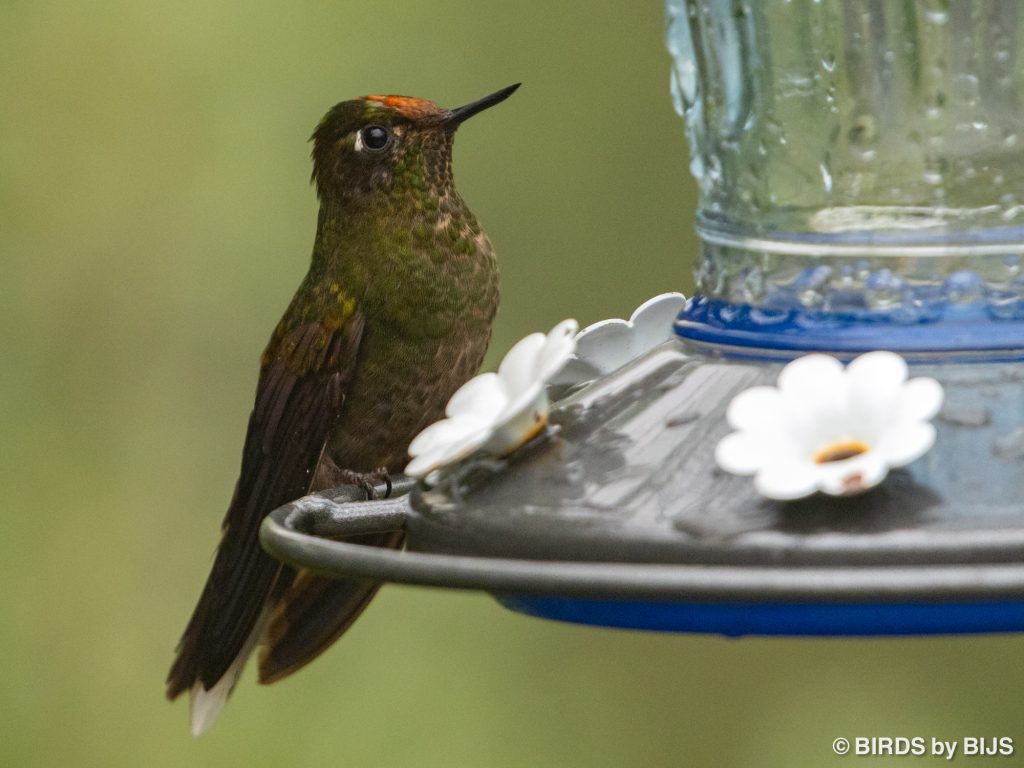
After lunch, we climbed into the páramo zone at over 13,000 feet to target the ultra-range-restricted Buffy Helmetcrest, a spectacular endemic hummingbird adapted to feed on frailejones (Espeletia spp.), the strange giant rosettes of the high Andes. We also picked up Tawny Antpitta and Plumbeous Sierra-Finch before heading to Hotel Termales del Ruiz, a historic hot-spring lodge dating back to the 1930s that now combines birding with geothermal pools and sweeping volcano views. Its feeders and surrounding páramo scrub attracted Purple-backed Thornbill, Rainbow-bearded Thornbill, Viridian Metaltail, and Great Sapphirewing — the world’s second-largest hummingbird. Dinner and thermal pools capped an extraordinary high-Andean day.
Buffy Helmetcrest
Great Sapphirewing
Rainbow-bearded Thornbill
Day 9 – Páramo Specialties & Transition South
We returned to the páramo at dawn for more looks at Buffy Helmetcrest feeding on Espeletia rosettes, along with Stout-billed Cinclodes and Brown-backed Chat-Tyrant. After breakfast at the lodge, we enjoyed Andean Teal, Andean Duck, and a moment of true awe as a Noble Snipe, normally cryptic and reclusive, stood in the open calling — allowing extended scope views.
Noble Snipe
Male Purple-backed Thornbill hawked insects, Rainbow-bearded Thornbills glowed in morning light, and Glossy Flowerpiercer and Red-crested Cotinga rounded out the highland specialties. We also heard but didn’t glimpsed the endemic Rufous-fronted Parakeet — a positive sign of this rare species’ persistence in the park. After lunch, we bid farewell to the high Andes and drove several hours south into the Western Andes, arriving at our hotel for dinner and checklists.
Purple-backed Thornbill
Day 10 – Laguna de Sonso Wetlands & Cloud-Forest Feeders
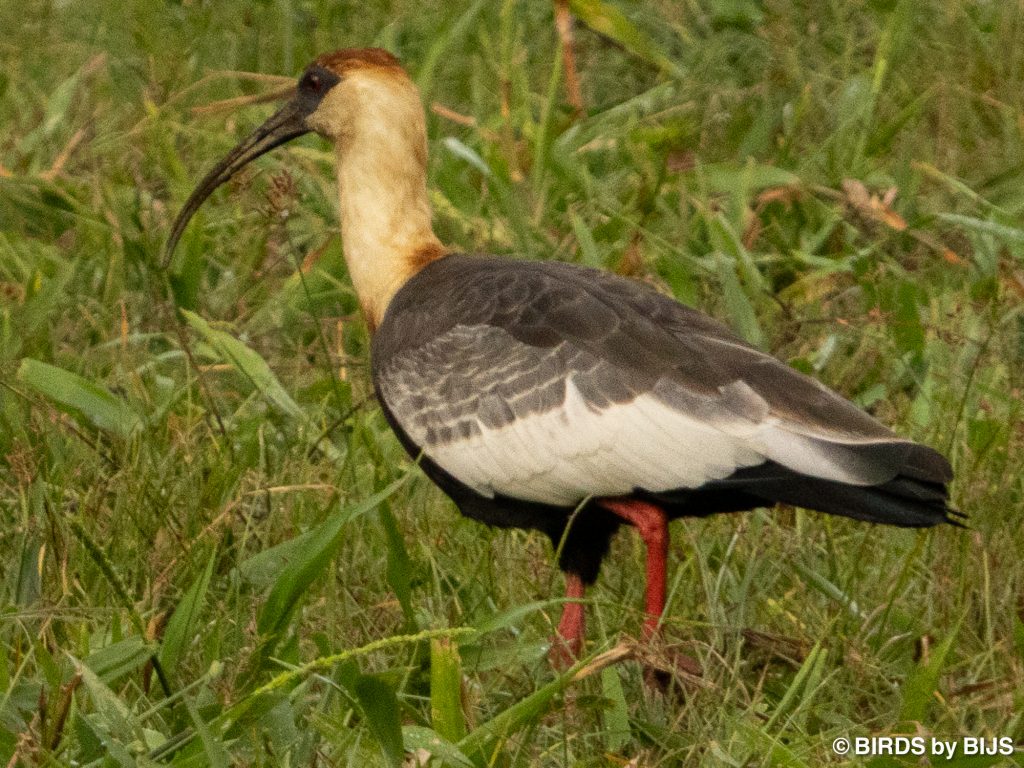
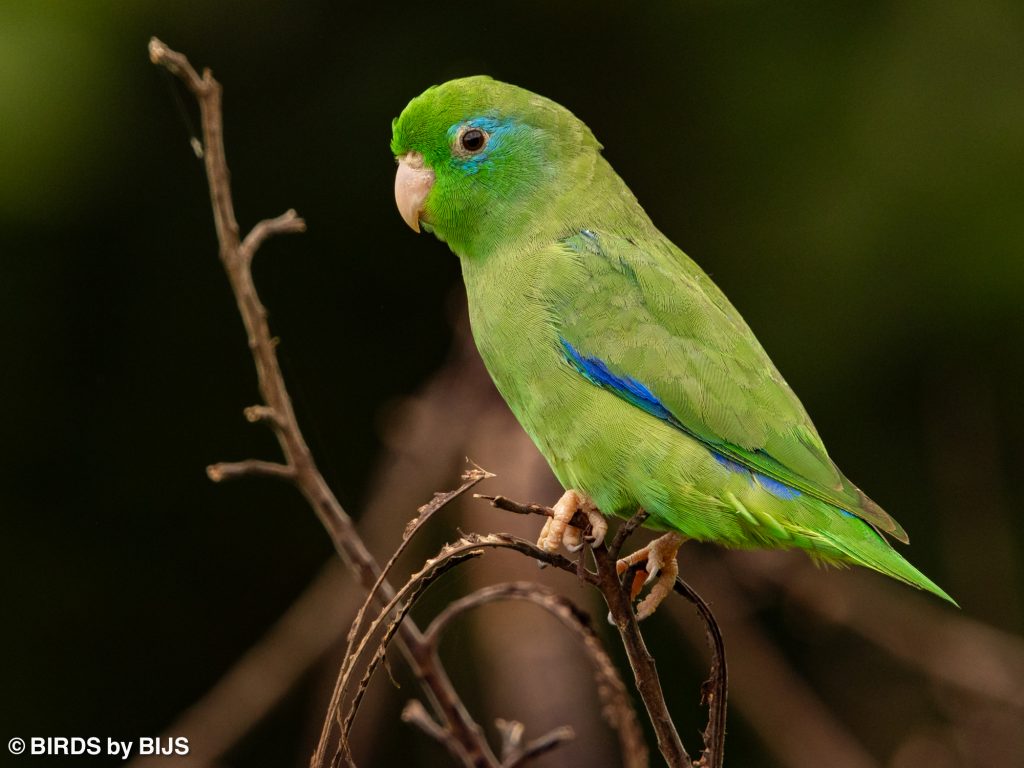
This morning, we birded Laguna de Sonso, a mosaic of riparian forest and wetland bursting with life. Buff-necked Ibis and Yellow-headed Caracara greeted us on the drive in, and our 84-species checklist in just over three hours testified to the area’s productivity. Common Potoo, Grayish Piculet, and Ringed and Amazon Kingfisher starred alongside Wattled Jacana, Purple Gallinule, and Yellow-crowned Amazon. Our local guide found three Tropical Screech-Owls roosting and a Spectacled Parrotlet nesting in a tree cavity. From the lagoon, we spotted Northern Screamer, Pied Water-Tyrant, and a surprise Pinnated Bittern.
Buff-neckedIbis
Spectacled Parrotlet
Horned Screamer
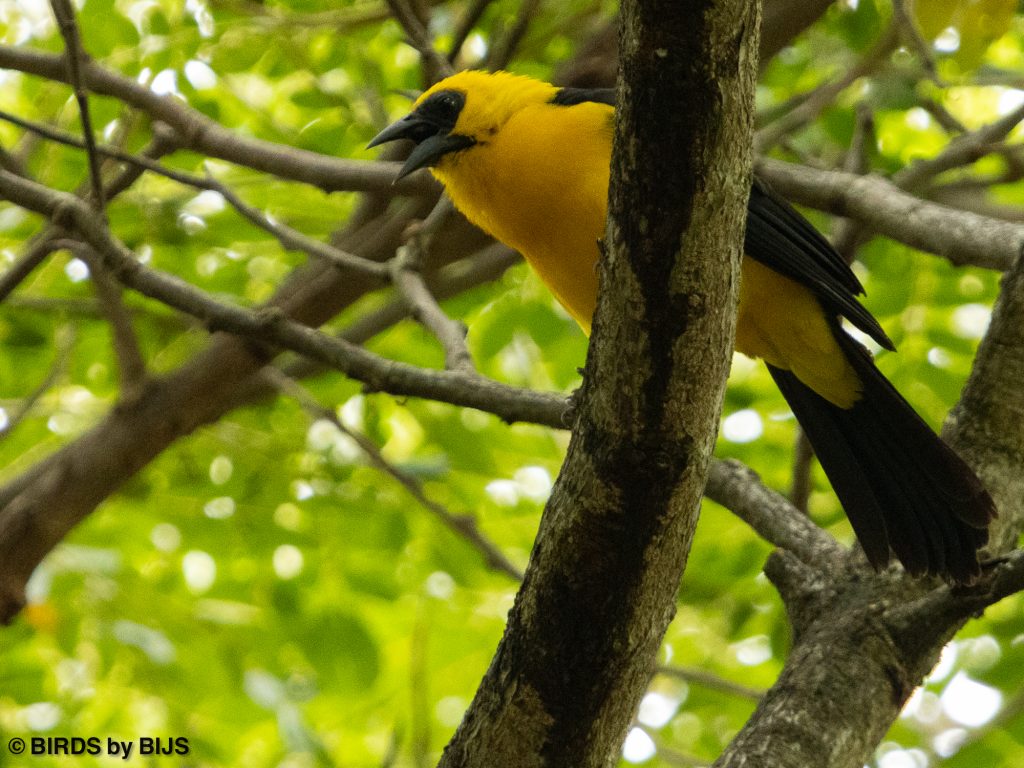
Oriole Blackbird
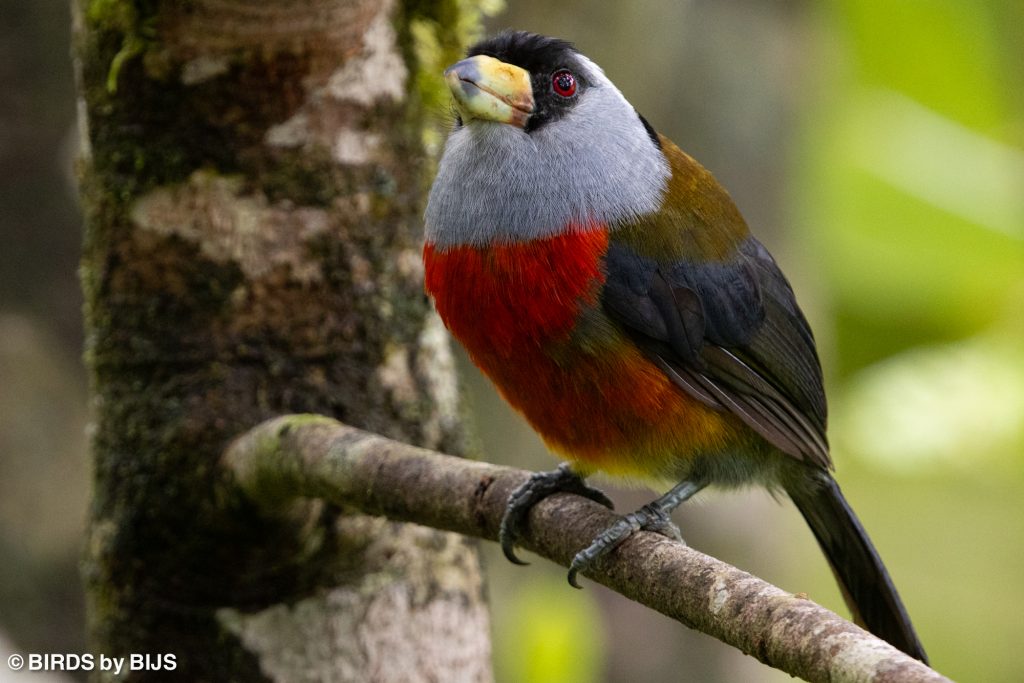
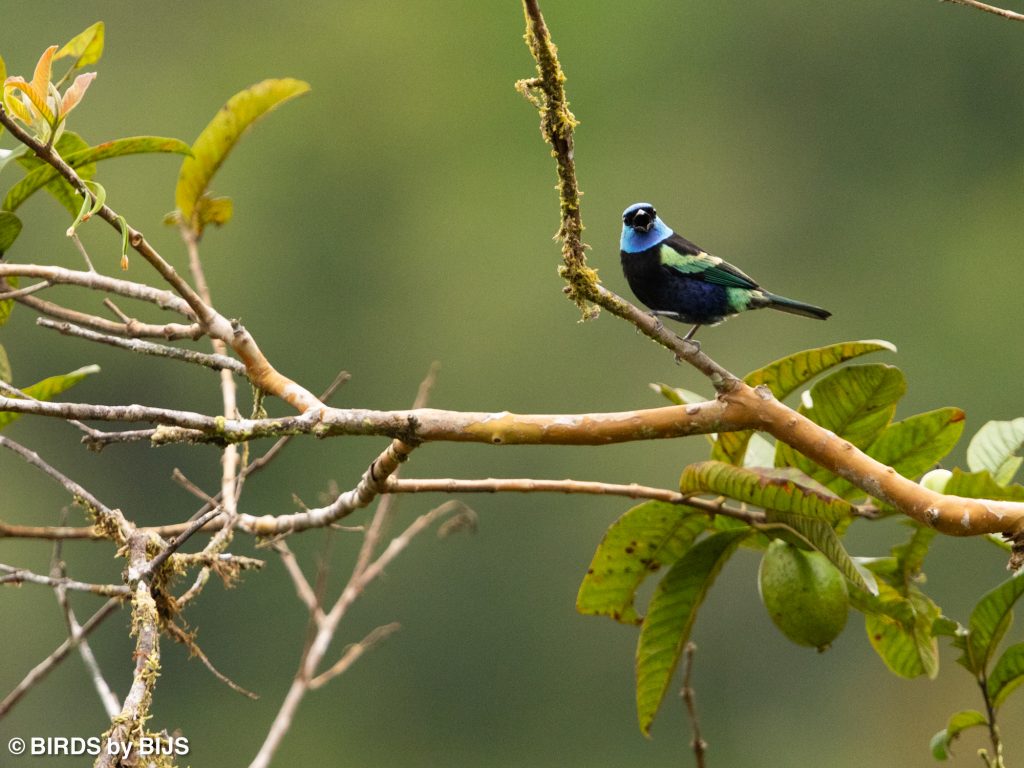
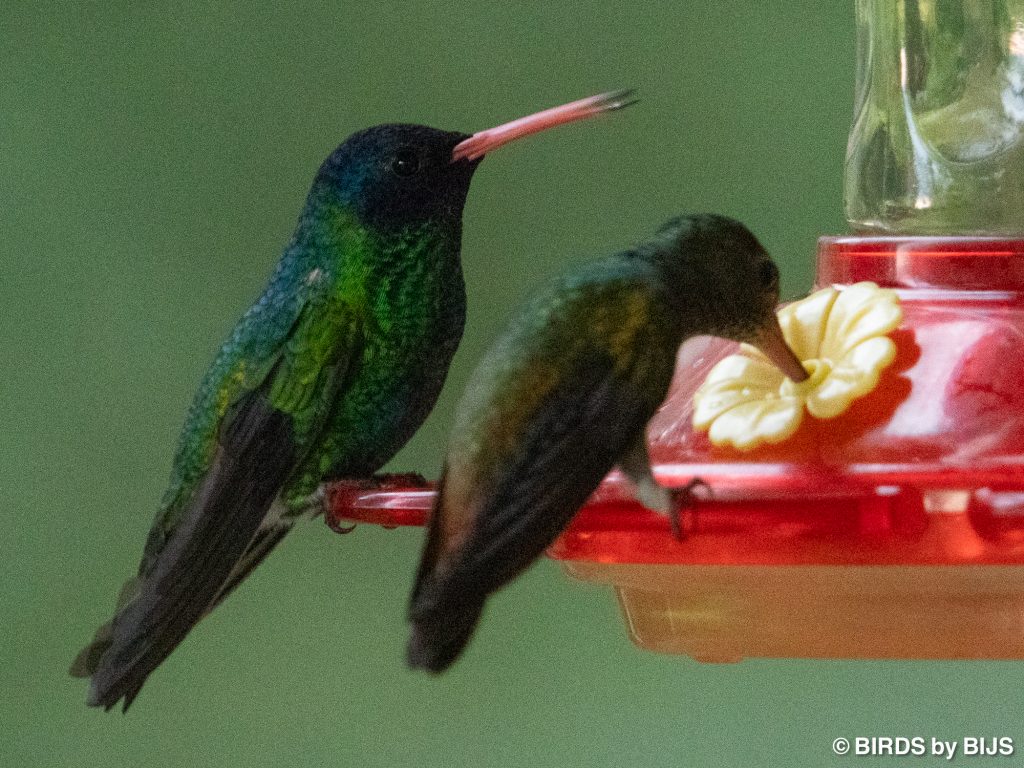
We then moved into the cloud forest for lunch and coffee, where Toucan Barbet stole the show at eye level along with Blue-necked Tanager and Slate-colored Grosbeak. An evening at our lodge feeders delivered Western Emerald and Blue-headed Sapphire — a lifer for everyone — before a Laughing Falcon called in the distance. We closed the day grinning ear to ear, swapping stories of lifers and photos over a well-earned dinner.
Blue-necked Tanager
Slate-colored Grosbeak
Blue-headed Sapphire
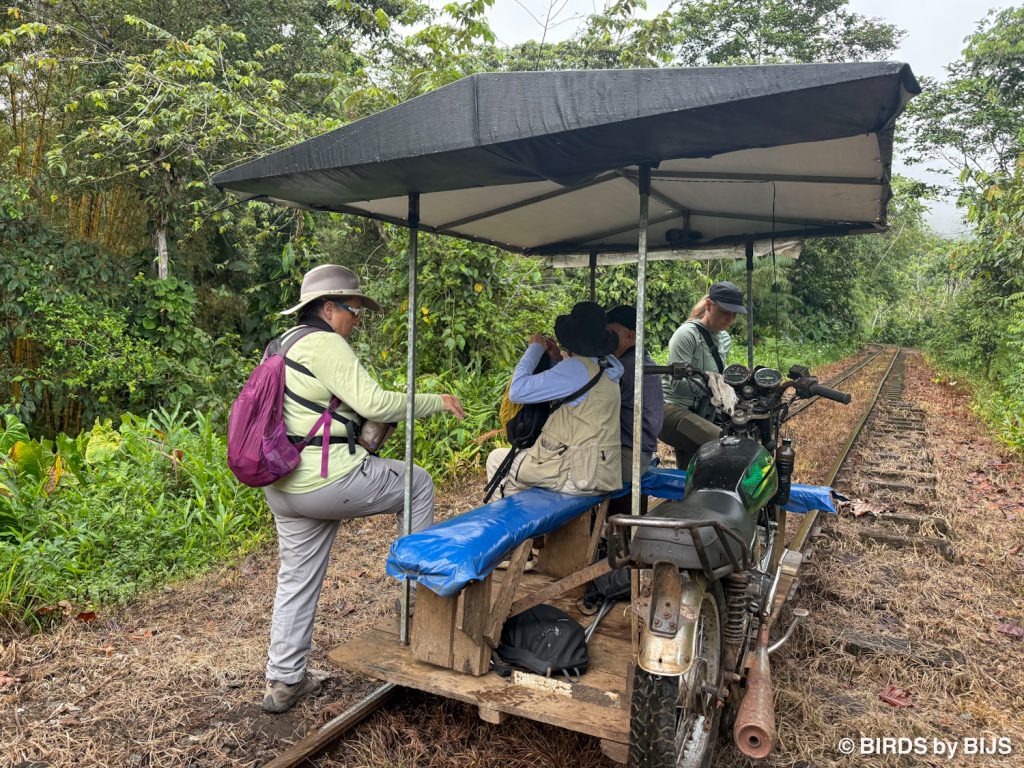
Day 11 – Chocó Lowlands by “Brujita”
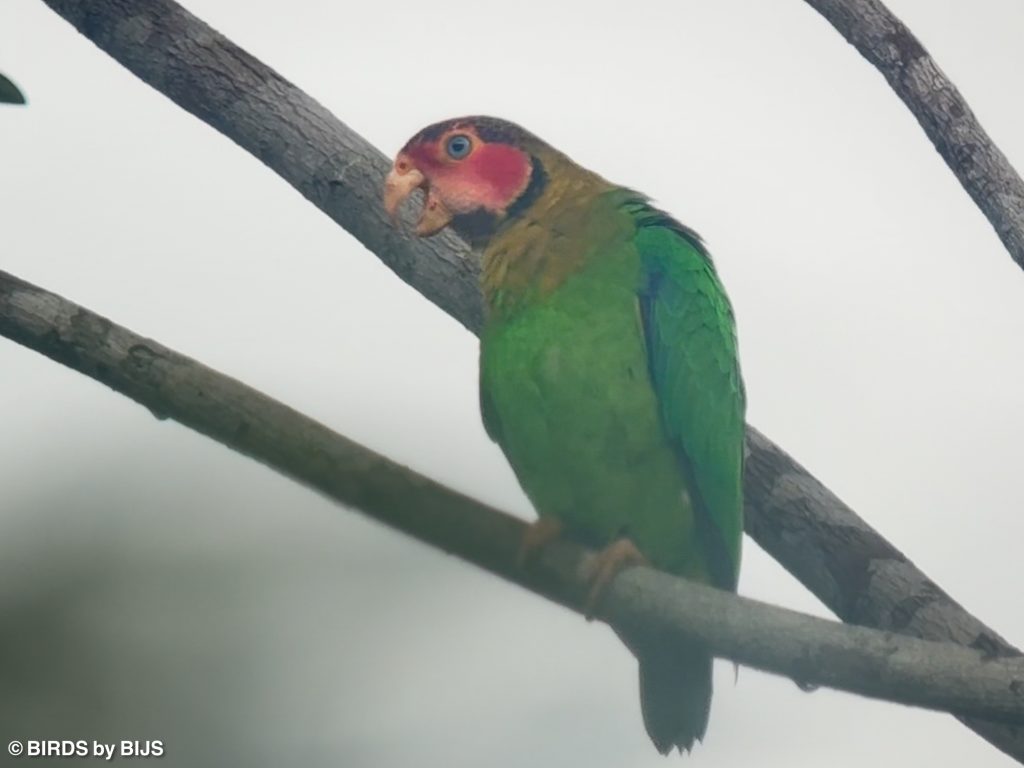
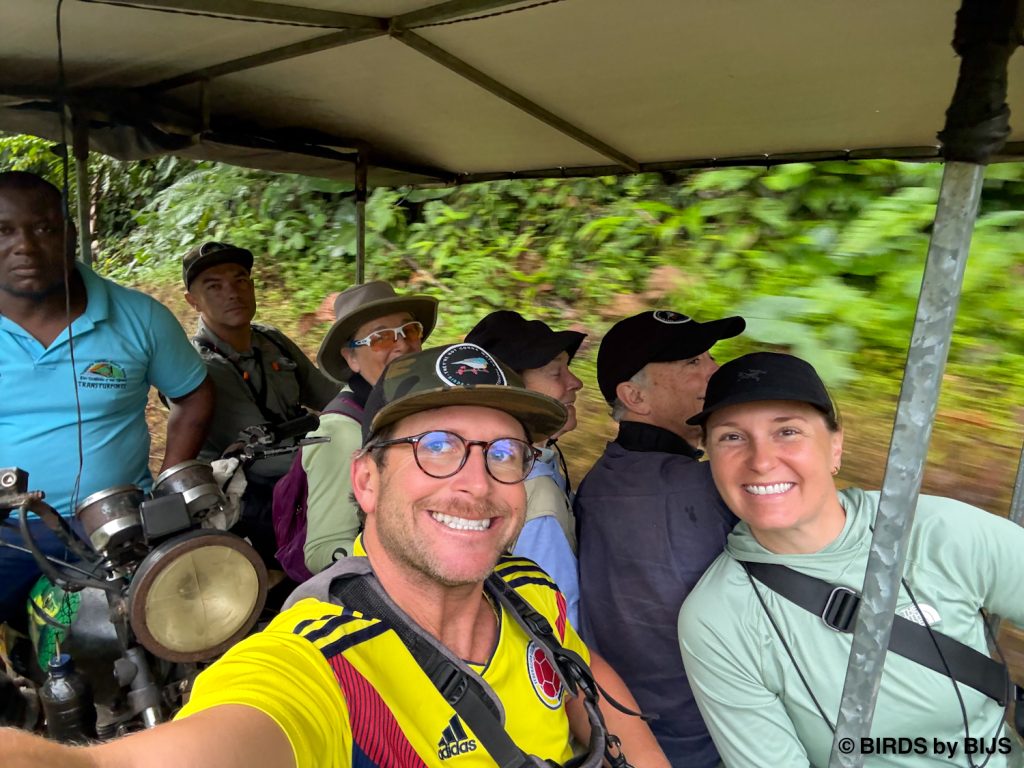
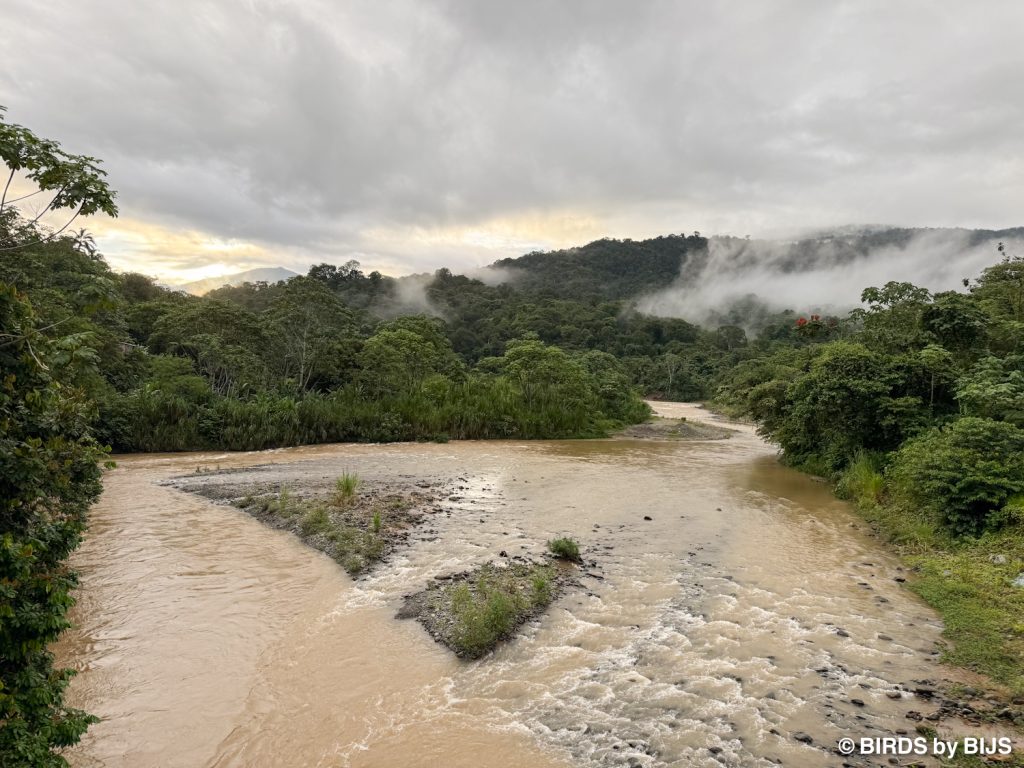
We descended into Colombia’s Chocó bioregion, one of the wettest and most biodiverse regions on Earth, known for its high rate of endemism and lush lowland rainforests. Traveling via “brujita” (motor-powered railcar), we picked up White-whiskered Puffbird, Green Kingfisher, Rose-faced Parrots, and Chocó Toucan. Our local guide then led us to Streak-chested Antpitta and Stub-tailed Antbird, two major targets here.
Rose-faced Parrot
Streak-chested Antpitta
We spent the day birding trails rich with new species: Black-breasted Puffbird, Five-colored Barbet, Moustached and Pacific Antwren, Purple-throated Fruitcrow, Fulvous-vented Euphonia, and flocks of Chestnut-headed Oropendola and Tawny-crested Tanager. By day’s end we’d tallied 80 species and even heard the elusive Berlepsch’s Tinamou. Our look at Blue-whiskered Tanager was also of note. Returning by brujita, we crossed the bridge back to the lodge for showers, dinner, and a final night’s celebration of our adventure together.
Blue-whiskered Tanager
Black-breasted Puffbird
Day 12 – Final Birding Session & Farewell
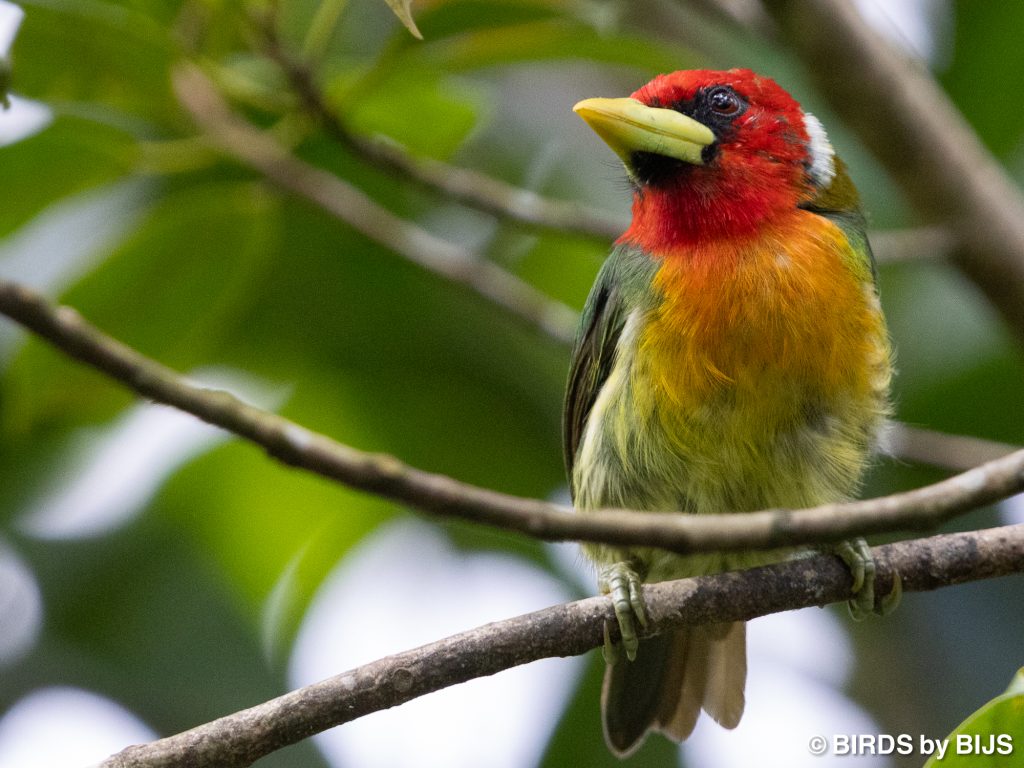
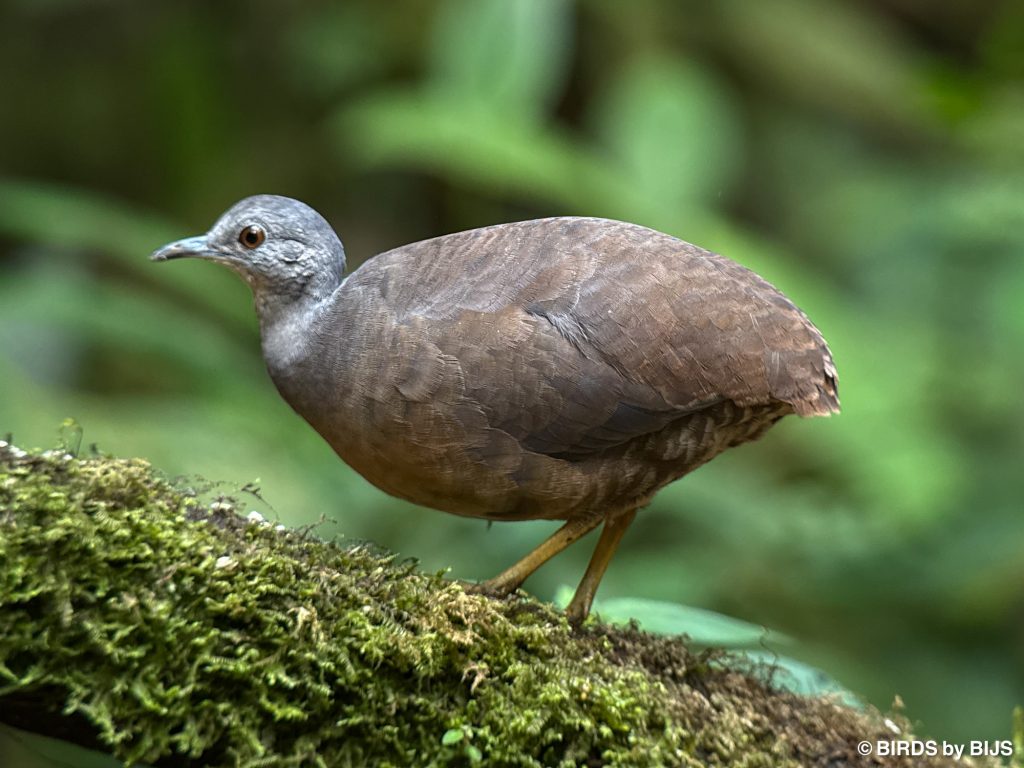
Our last morning began with coffee and our lodge’s photo-friendly feeders, where Little Tinamou, Crowned Woodnymph, Red-headed Barbet, Flame-rumped Tanager, and even Apical Flycatcher all came in to be photographed at close range. Away from the feeders we added Metallic-green Tanager, Whiskered Wren, and Red-faced Spinetail.
Red-headed Barbet
Little Tinamou
With hearts and checklists full, we said our goodbyes, transferred participants to their Cali hotels and the airport, and reflected on 12 days of extraordinary birding across Colombia’s Western and Central Andes. In total we observed 412 species, check out the eBird Trip Report here
Multicolored Tanager
Join us in Colombia to experience this incredible place first-hand!