Toucan Barbet: The Colorful Chocó Bird Caught Between Barbets and Toucans
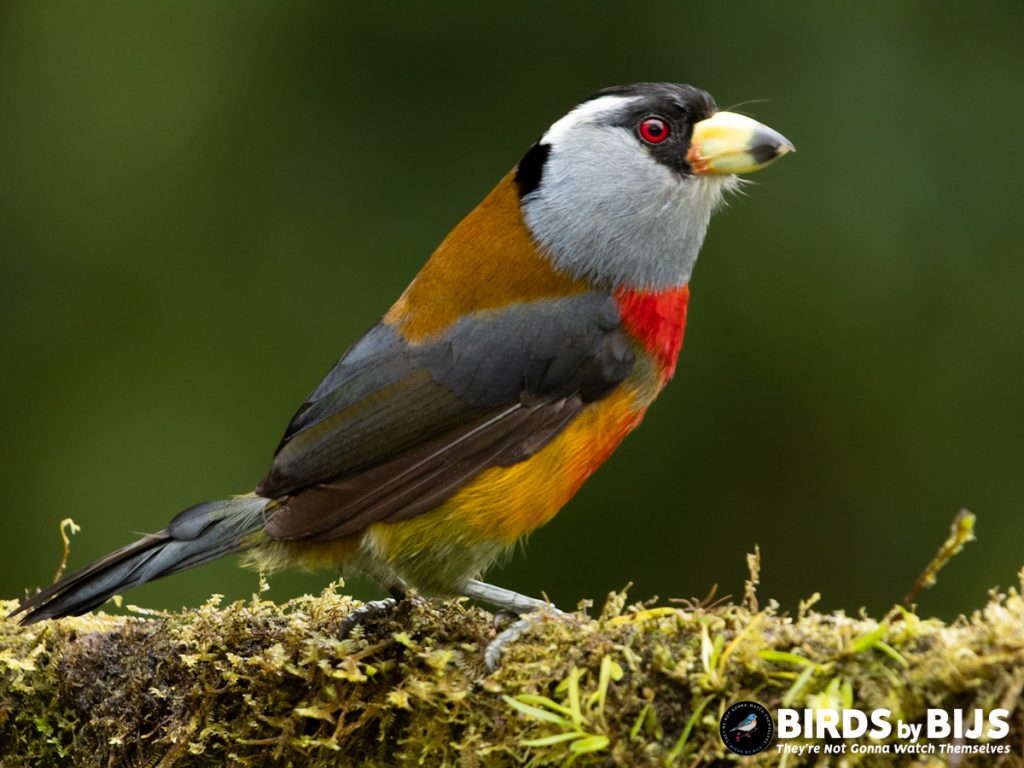
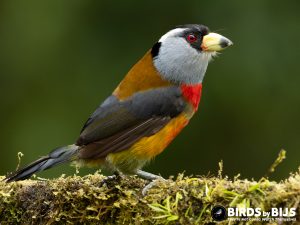
The Toucan Barbet (Semnornis ramphastinus) looks like evolution couldn’t quite make up its mind.
Modern DNA has revealed that the Toucan Barbet isn’t simply another colorful barbet—it belongs to an ancient lineage that is more closely related to toucans than to the New World barbets it was once grouped with.
It’s one of those birds that completely changes the way you think about evolution.
"The Toucan Barbet isn't a barbet pretending to be a toucan. It's the closest living relative of one of the world's most iconic bird families."
What makes the Toucan Barbet so special?
- Found only in western Colombia and Ecuador
- A flagship species of the Chocó-Andean cloud forests
- One of only two living species in the family Semnornithidae
- More closely related to toucans than to New World barbets
- Powerful bill used for feeding, excavation, and defense
- Primarily frugivorous, making it an important forest seed disperser
- Usually encountered in pairs or small family groups
- One of the signature birds of both our Colombia and Ecuador Birding Tours
Why are barbets found in both the New and Old Worlds?
For nearly two centuries, ornithologists grouped birds called barbets into a single family because they looked remarkably similar.
Stocky bodies.
Heavy bills.
Bright colors.
A love of fruit.
Tree cavities for nesting.
And stiff bristles around the bill—the “barbs” that gave barbets their name.
Today we know the story is far more interesting.
Genetic research has shown that barbets are actually spread across several distinct evolutionary families found in Africa, Asia, and the Americas. Although they share a common ancient ancestor, millions of years of geographic isolation produced separate lineages on different continents.
The Toucan Barbet belongs to perhaps the most fascinating lineage of all.
Together with Costa Rica and Panama’s Prong-billed Barbet, it forms the tiny family Semnornithidae.
That family sits immediately next to the toucans on the avian family tree.

"‘Barbet’ describes a body plan. DNA tells a much deeper evolutionary story."
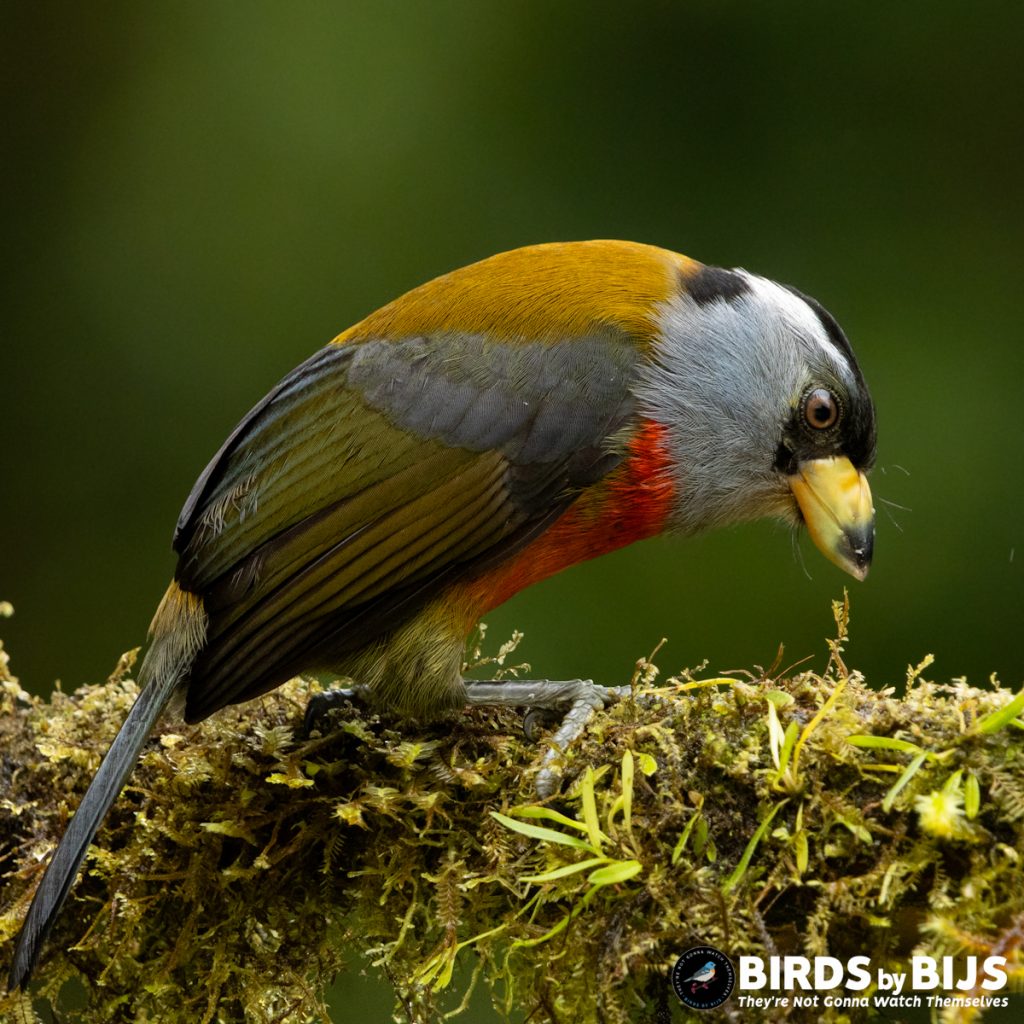
A glimpse into toucan evolution
Imagine traveling back several million years.
The giant toucans we know today didn’t exist.
Instead, their ancestors probably resembled birds much more like today’s Toucan Barbet and Prong-billed Barbet.
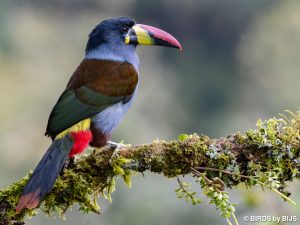
Over time, one branch evolved larger bodies and the spectacular oversized bills that would eventually produce toucanets, mountain-toucans, aracaris, and the giant Ramphastos toucans.
Another remained relatively unchanged.
That branch survives today as only two species.
The Toucan Barbet.
And the Prong-billed Barbet.
They’re not “primitive.”
They’re not “living fossils.”
They’re simply the last surviving members of an ancient lineage that diverged from the ancestors of modern toucans millions of years ago.

One of the Chocó's defining birds
The Toucan Barbet occupies a surprisingly small slice of South America.
Its range stretches from western Colombia into northwestern Ecuador, following the humid slopes where the Andes meet the legendary Chocó Bioregion.
The Chocó is one of the wettest and most biodiverse places on Earth.

Warm Pacific air collides with the Andes, creating nearly constant rainfall, dense cloud forest, and one of the world’s highest concentrations of endemic plants and animals.
The Toucan Barbet rarely strays from this remarkable biological region.
It isn’t simply endemic to Colombia or Ecuador.
It’s endemic to an ecosystem.
"The Toucan Barbet crosses an international border—but it rarely leaves the biological world of the Chocó."
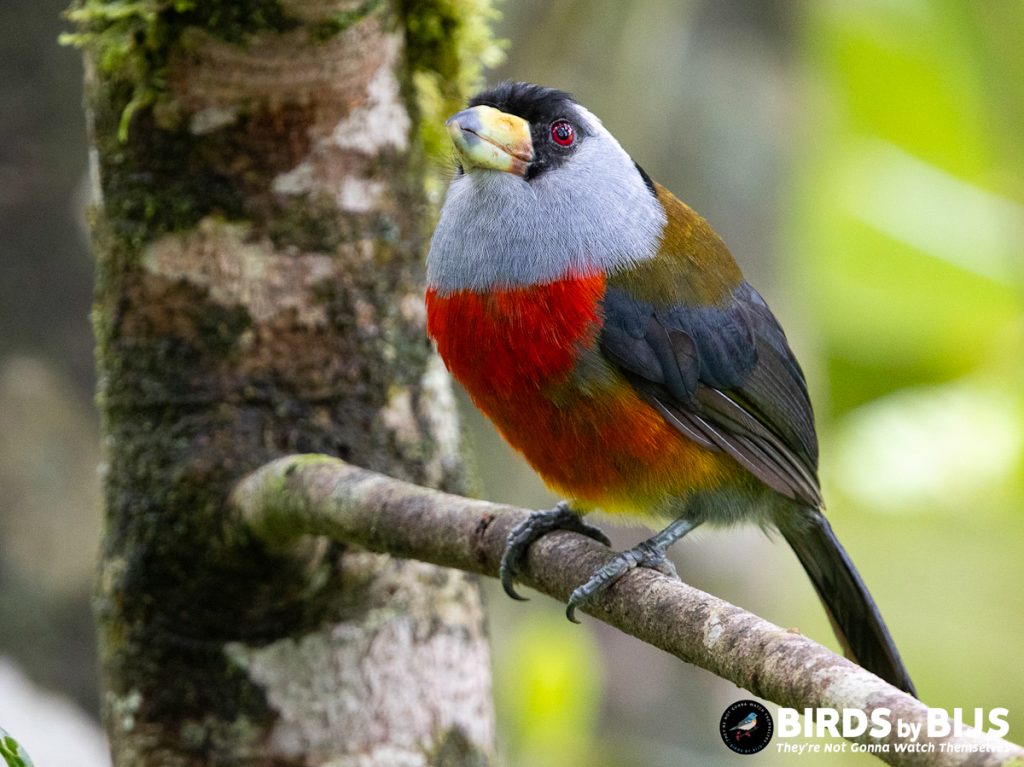
A bill built for more than fruit
Like many members of the woodpecker order (Piciformes), Toucan Barbets are cavity nesters.
Their thick, powerful bills allow them to excavate nest cavities in soft, decaying wood.
But excavation is only one job.
The same bill harvests fruit.
Captures insects.
Defends territories.
Manipulates food.
And even helps communicate during courtship and territorial displays.
Fruit forms the majority of their diet, making Toucan Barbets important seed dispersers throughout the Chocó cloud forests.
Every fruit swallowed carries the potential to become tomorrow’s forest.
"The Chocó doesn't simply contain extraordinary birds. It helped create them."
Why protecting the Chocó matters
The Toucan Barbet exists because the Chocó exists.
Millions of years of isolation allowed species to evolve that occur nowhere else on Earth.
Yet these forests continue to face pressure from agriculture, logging, mining, and habitat fragmentation.
Protecting the Toucan Barbet means preserving far more than one colorful bird.
It means safeguarding one of the world’s great evolutionary laboratories.
Every protected hectare benefits thousands of plants, insects, amphibians, mammals, and birds that share this extraordinary ecosystem.
Experience the Chocó for yourself
The Toucan Barbet is more than one of the Andes’ most colorful birds.
It’s a living window into the evolutionary history of toucans, a flagship of the Chocó cloud forests, and one of the defining species of western Colombia and Ecuador.
Our Colombia: Western & Central Andes Birding Tour and Ecuador: Northwest Andes & Eastern Foothills Birding Tour both offer opportunities to experience this remarkable bird where it belongs—in one of the world’s richest biodiversity hotspots.
Seeing a Toucan Barbet is unforgettable.
Understanding its story makes it even better.
Continue Exploring
See These Birds on Tour
- Ecuador: Northwest Andes & Eastern Foothills Birding Tour
- Colombia: Western & Central Andes Birding Tour
Explore Related Articles
- Mountain-Toucans: The High-Andes Giants That Left the Amazon Behind
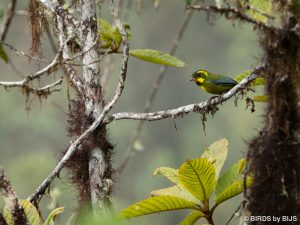
- Gold-ringed Tanager: Colombia’s Most Coveted Endemic Bird
Read Trip Reports